Used Boom Cylinders for Excavators and Mini Excavators
215 produits disponibles
On an excavator, the boom cylinder operates during every digging cycle: it folds and extends the boom to drive the bucket into the ground. When it leaks, loses power, or allows the boom to drop on its own, productivity drops as does safety. Codimatra dismantles original boom cylinders from tracked excavators, wheeled excavators, and midi excavators in its Castelculier workshop near Agen, where they are inspected and sorted by machine model. With over 40 years of experience in used heavy equipment spare parts, our advisors help you find the complete cylinder that fits your machine.
![Balancer Cylinder for LIEBHERR A912 COMPACT]()
Balancer Cylinder for LIEBHERR A912 COMPACT
As-is price :5 500,00 €Request a quote![Balancer Cylinder for KOMATSU PC210LC-11]()
Balancer Cylinder for KOMATSU PC210LC-11
As-is price :5 500,00 €Request a quote![Balancer Cylinder for LIEBHERR R924COMP]()
Balancer Cylinder for LIEBHERR R924COMP
As-is price :4 500,00 €Request a quote![Balancer Cylinder for VOLVO EW140D]()
Balancer Cylinder for VOLVO EW140D
As-is price :6 000,00 €Request a quote![Balancer Cylinder for LIEBHERR R924COMP]()
Balancer Cylinder for LIEBHERR R924COMP
As-is price :4 500,00 €Request a quote![Balancer Cylinder for VOLVO EC380ENL]()
Balancer Cylinder for VOLVO EC380ENL
As-is price :10 000,00 €Request a quote![Balancer Cylinder for LIEBHERR R916LC]()
Balancer Cylinder for LIEBHERR R916LC
As-is price :4 700,00 €Request a quote![Stick cylinder for CASE WX150]()
Stick cylinder for CASE WX150
As-is price :3 500,00 €Request a quote![Stick cylinder for LIEBHERR A314]()
Stick cylinder for LIEBHERR A314
As-is price :3 400,00 €Request a quote![Stick cylinder for KOMATSU PW160-7K]()
Stick cylinder for KOMATSU PW160-7K
As-is price :5 000,00 €Request a quote![Stick cylinder for LIEBHERR R914HDSL]()
Stick cylinder for LIEBHERR R914HDSL
As-is price :4 500,00 €Request a quote![Stick cylinder for CATERPILLAR 374DL]()
Stick cylinder for CATERPILLAR 374DL
As-is price :12 000,00 €Request a quote![Stick cylinder for CATERPILLAR M318D]()
Stick cylinder for CATERPILLAR M318D
As-is price :4 000,00 €Request a quote![Stick cylinder for LIEBHERR A924]()
Stick cylinder for LIEBHERR A924
As-is price :3 501,00 €5 500,00 €-36 %Request a quote![Stick cylinder for CATERPILLAR 345CL]()
Stick cylinder for CATERPILLAR 345CL
As-is price :4 901,00 €Request a quote![Stick cylinder for VOLVO EC210BLC]()
Stick cylinder for VOLVO EC210BLC
As-is price :4 000,00 €Request a quote![VERIN DE BALANCIER DEPORT]()
VERIN DE BALANCIER DEPORT
As-is price :4 200,00 €Request a quote![Stick cylinder for CATERPILLAR 315FLCR]()
Stick cylinder for CATERPILLAR 315FLCR
As-is price :5 000,00 €Request a quote![Stick cylinder for HITACHI ZX140W-5B]()
Stick cylinder for HITACHI ZX140W-5B
As-is price :3 800,00 €Request a quote![Stick cylinder for HITACHI ZX250LCN-3]()
Stick cylinder for HITACHI ZX250LCN-3
As-is price :5 000,00 €Request a quote![Stick cylinder for KOMATSU PC228USLC-11]()
Stick cylinder for KOMATSU PC228USLC-11
As-is price :4 500,00 €Request a quote![Stick cylinder for CATERPILLAR M320F]()
Stick cylinder for CATERPILLAR M320F
As-is price :6 500,00 €Request a quote![Stick cylinder for CATERPILLAR 314C]()
Stick cylinder for CATERPILLAR 314C
As-is price :3 500,00 €Request a quote![Stick cylinder for CATERPILLAR 314CLCR]()
Stick cylinder for CATERPILLAR 314CLCR
As-is price :4 800,00 €Request a quote![Stick cylinder for CATERPILLAR 322C]()
Stick cylinder for CATERPILLAR 322C
As-is price :5 000,00 €Request a quote![Stick cylinder for LIEBHERR A316]()
Stick cylinder for LIEBHERR A316
As-is price :4 500,00 €Request a quote![Stick cylinder for LIEBHERR R924COMP]()
Stick cylinder for LIEBHERR R924COMP
As-is price :4 500,00 €Request a quote![Balancer Cylinder for VOLVO EWR130E]()
Balancer Cylinder for VOLVO EWR130E
Request a quote![Balancer Cylinder for MECALAC 11MWR]()
Balancer Cylinder for MECALAC 11MWR
Request a quote![Balancer Cylinder for LIEBHERR R916 ADVANCED]()
Balancer Cylinder for LIEBHERR R916 ADVANCED
Request a quote![Balancer Cylinder for LIEBHERR A316]()
Balancer Cylinder for LIEBHERR A316
Request a quote![Balancer Cylinder for CATERPILLAR 315FLCR]()
Balancer Cylinder for CATERPILLAR 315FLCR
Request a quote![Balancer Cylinder for HITACHI ZX280LCN-3]()
Balancer Cylinder for HITACHI ZX280LCN-3
Request a quote![Stick cylinder for CASE WX165]()
Stick cylinder for CASE WX165
Request a quote![Stick cylinder for LIEBHERR A914]()
Stick cylinder for LIEBHERR A914
Request a quote![Stick cylinder for LIEBHERR R904CHDSL]()
Stick cylinder for LIEBHERR R904CHDSL
Request a quote
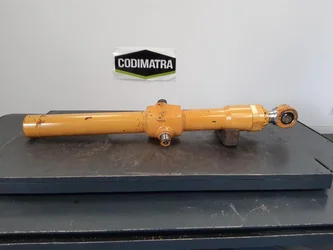
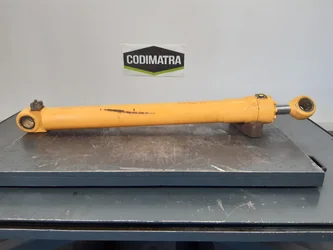
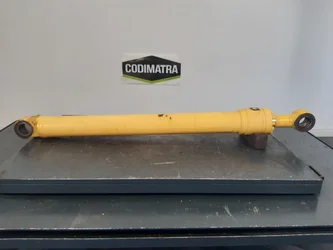
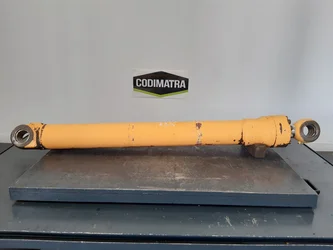
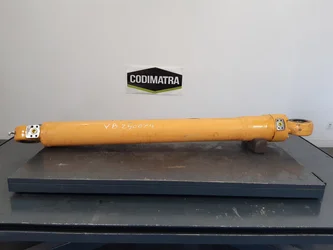
The Boom Cylinder, a Key Cylinder for Excavators
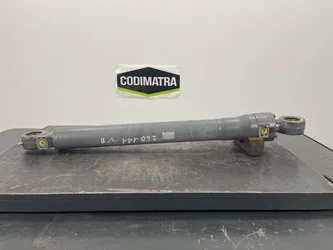
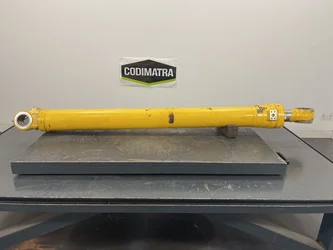
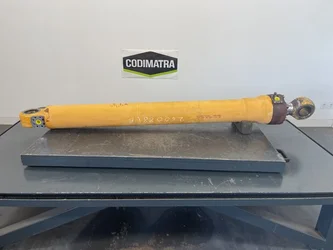
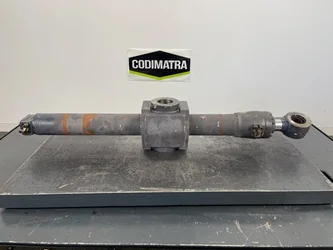
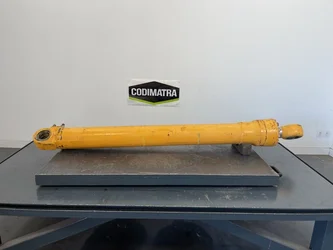
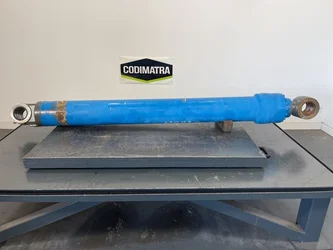
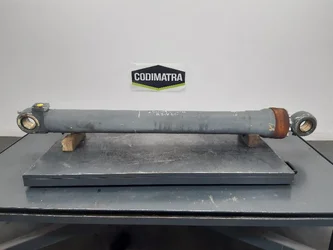
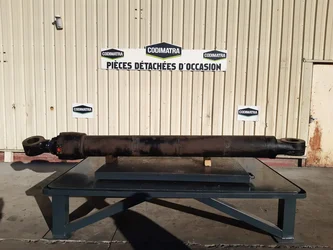
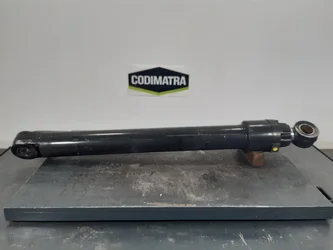
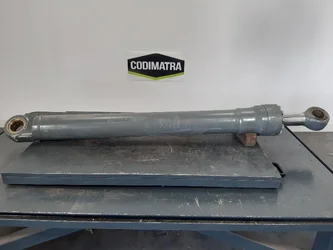
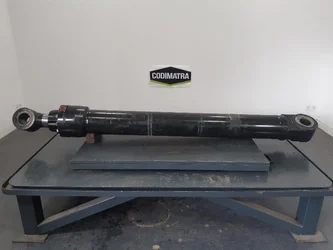
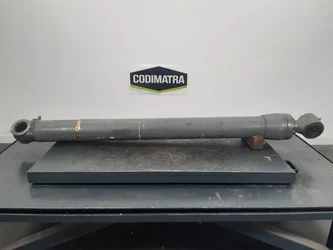
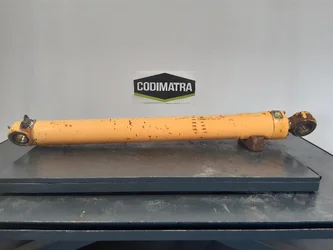
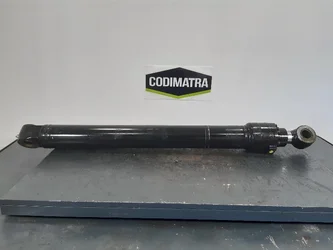
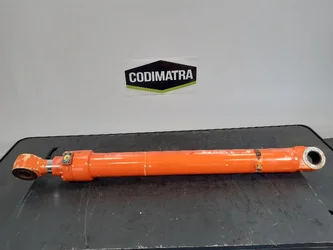
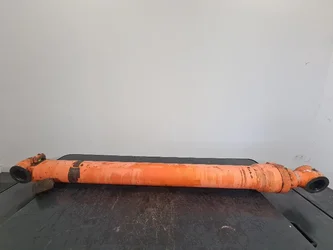
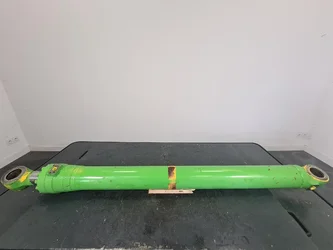
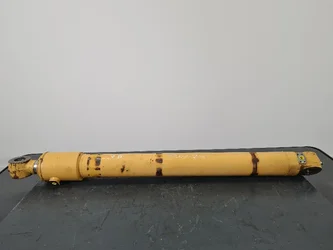
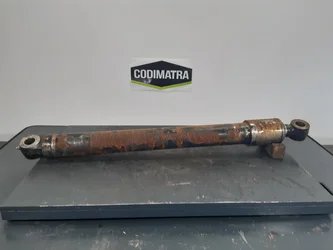
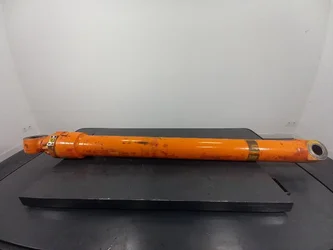
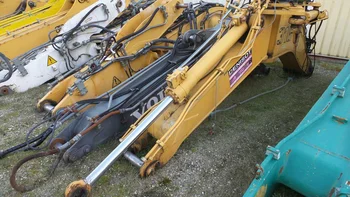
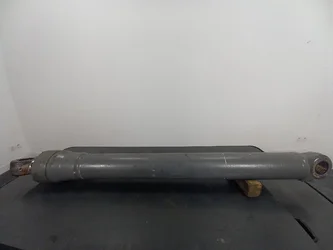
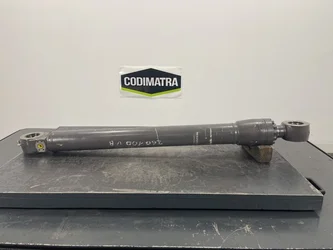
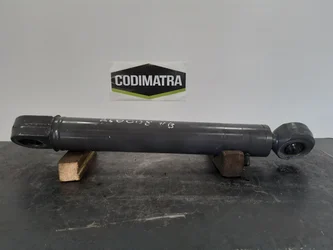
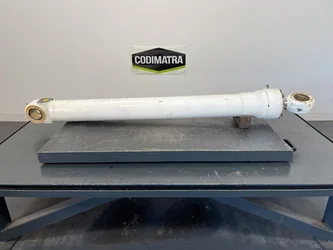
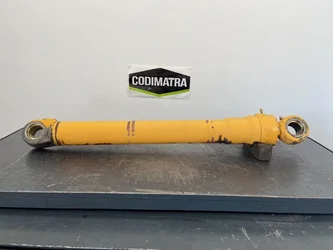
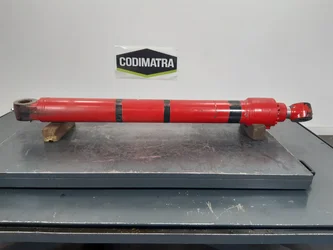
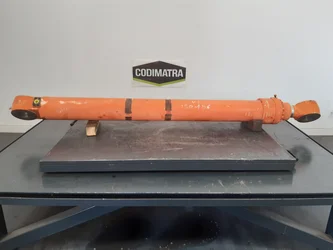
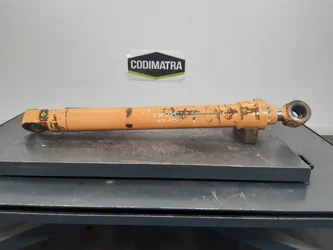
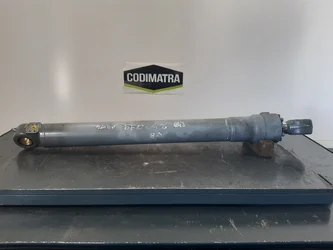
Mounted between the boom and the dipper arm, the boom cylinder controls the arm's range of motion. Extending its rod pushes the boom outward; retracting it pulls the boom back towards the machine to dig. It is a double-acting cylinder, supplied on both chambers by the hydraulic distributor, operating under high pressure alongside the arm cylinder and the bucket cylinder. On many excavators, it features a safety valve that holds the boom in place if a hose breaks. On construction machines over 20 tons, it is usually the longest cylinder after the arm cylinder.
Used Boom Cylinders by Brand
- Liebherr Boom Cylinder: R904, R914, R916 and R924 excavators; A311, A316, A914 and A924 wheeled excavators; LH22M material handler
- Caterpillar Boom Cylinder: 314C, 315F, 322C, 323, 345CL and 374DL excavators; M318D and M320F wheeled excavators
- Komatsu Boom Cylinder: PC228USLC-11, HB215LC-1 and PW160-7K wheeled excavator
- Volvo Boom Cylinder: EC140DL, EC160BLC, EC210BLC and ECR88D
- Hitachi Boom Cylinder: ZX140W-5B and ZX250LCN-3; Case WX145, WX150 and WX165; Mecalac 12MTX; Terex TM230
- Poclain Boom Cylinder, JCB, Hyundai, Fiat Kobelco, and O&K: inquiries handled on request based on arrivals
Mini and Midi Excavator Boom Cylinders
On mini and midi excavators, the boom cylinder is shorter and lighter but endures similar relative stresses, often on abrasive terrain. On short radius models like the Volvo ECR88D, it is located near the cab and protected by a hood or shield. Its thinner rod is more prone to scratches if hit by a bucket or hydraulic breaker. Small boom cylinders from Liebherr, Volvo, or Caterpillar, as well as complete cylinders for mini excavators of other brands, are offered based on dismantling. Provide the exact model and serial number to verify compatibility.
Identifying the Right Boom Cylinder Before Ordering
- Center distance between the two pins with the rod retracted, and rod stroke length.
- Bore diameter and rod diameter.
- Type of mounting: clevis, eye with spherical bearing or bushing, and pin diameters.
- Position and threading of supply ports, and presence of a safety valve or end-of-stroke damper.
- Reference stamped on the barrel and the machine’s serial number.
Used Hydraulic Cylinder or Repair: What to Choose?
A leak through the rod seal usually requires replacing seals, provided the rod is smooth and straight. However, a scratched, pitted, or bent rod, a marked barrel, or a damaged piston leads to costly repairs, including rechroming or a new rod. In such cases, an original used hydraulic cylinder taken from the same model of heavy equipment can be fitted directly on the pins and hoses. Ordering a complete cylinder also avoids machine downtime during repair. Before installation, check the condition of the boom pins and bushings: excessive play quickly damages the cylinder’s seals.
Requesting a Boom Cylinder from Our Advisors
- The brand, model, and serial number of the excavator.
- Center distance, stroke, and rod diameter of the installed cylinder.
- A photo of the cylinder, its plate or reference, and its mountings.
Our advisors search from around 17,000 references of used spare parts and assist you at 05 18 23 21 34. All other equipment cylinders are grouped under our used hydraulic cylinder range.
With the boom extended, bucket loaded, and engine off, observe if the boom lowers by itself. A slow drift without visible leakage often indicates a worn piston seal allowing oil to pass from one chamber to another. A boom lacking power while the arm and bucket work normally also points to the cylinder. Confirm the diagnosis before ordering.
Only if it precisely matches the center distance, stroke, bore and rod diameters, mountings, and port positions. A stroke difference alters equipment geometry and may cause limit stops. An original cylinder from the same model avoids these risks. Our advisors verify compatibility based on your serial number.
The price depends on the excavator size, cylinder dimensions, presence of a safety valve, and brand. A midi excavator’s cylinder and that of a 70-ton excavator belong to different ranges. Pricing is provided upon request after confirming compatibility with your machine.