Used Cabin Structures for Construction Equipment: Safety and Savings
56 produits disponibles
Specializing in used spare parts for construction equipment, Codimatra offers a carefully selected range of reconditioned cabin structures for your entire fleet. Our stock includes ROPS and FOPS structures compatible with the main industry brands - Caterpillar, Volvo, Liebherr, Komatsu - sourced through our systematic dismantling process of construction machinery. Each used cabin structure undergoes thorough inspection of its structural integrity and compliance with safety standards before being offered for sale. A cost-effective and reliable solution to replace damaged protective components on your excavators, loaders, bulldozers, and other earthmoving equipment.
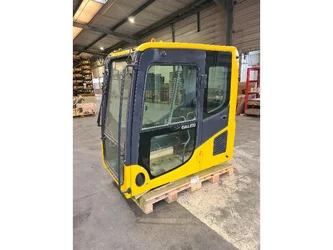
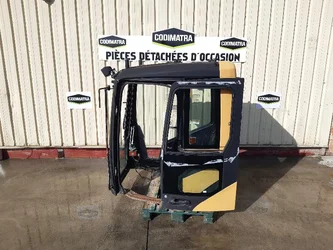
![Cabin structure for KOMATSU PC210 -8]()
Cabin structure for KOMATSU PC210 -8
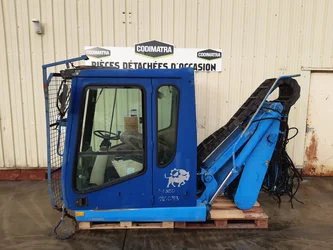
As-is price :6 000,00 €Request a quote![Cabin structure for VOLVO ECR88D]()
Cabin structure for VOLVO ECR88D
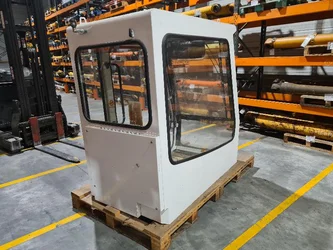
Request a quote![Cabin structure for KUBOTA U36-4]()
Cabin structure for KUBOTA U36-4
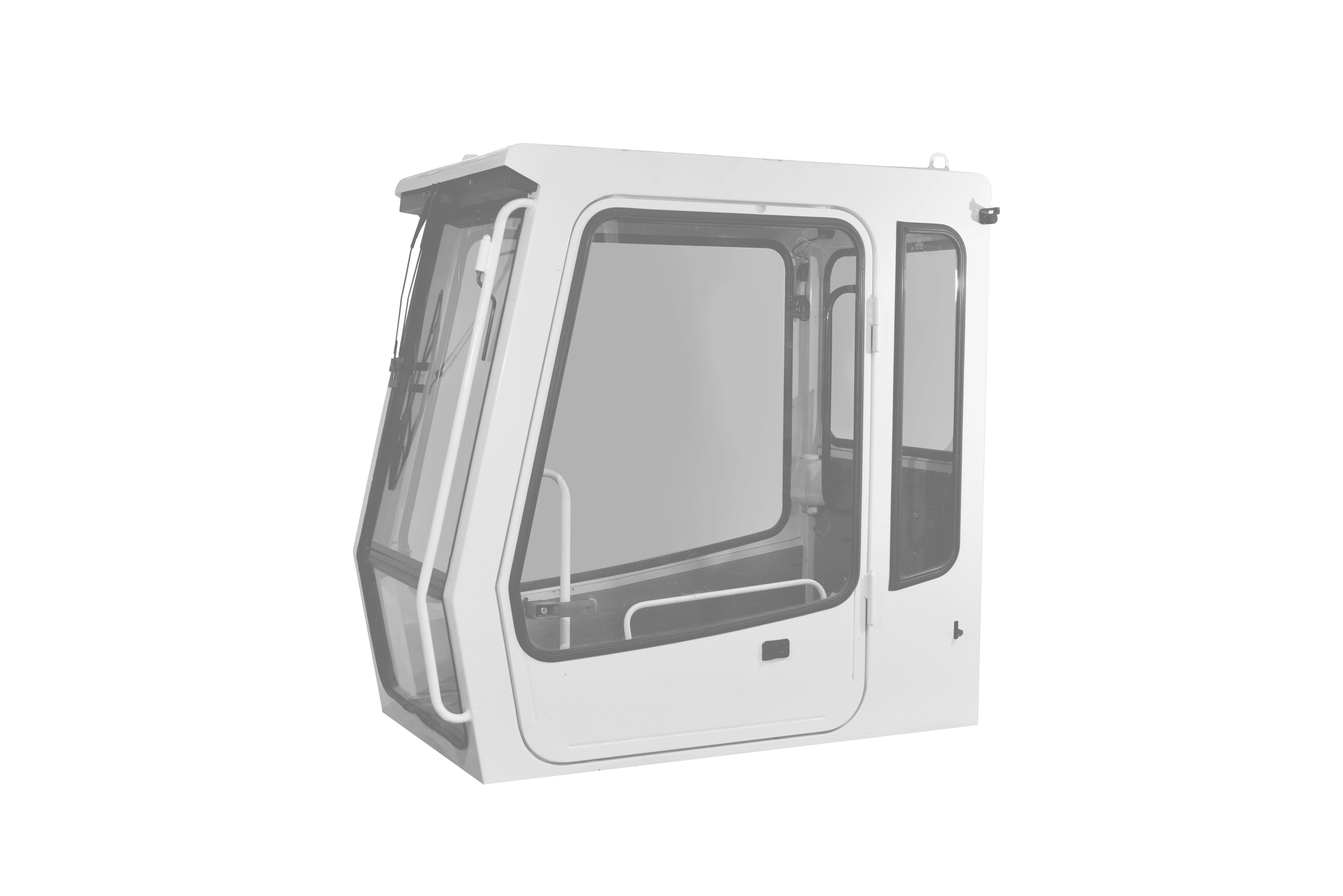
Request a quote![Cabin structure for CATERPILLAR 314C]()
Cabin structure for CATERPILLAR 314C
Request a quote![Cabin structure for CATERPILLAR M320]()
Cabin structure for CATERPILLAR M320
Request a quote![Cabin structure for LIEBHERR A912LI]()
Cabin structure for LIEBHERR A912LI
Request a quote![Cabin Structure for VOLVO EW140D]()
Cabin Structure for VOLVO EW140D
As-is price :8 000,00 €Request a quote![Cabin Structure for LIEBHERR R924COMP]()
Cabin Structure for LIEBHERR R924COMP
As-is price :6 500,00 €Request a quote![Cabin Structure for LIEBHERR R924COMP]()
Cabin Structure for LIEBHERR R924COMP
As-is price :6 500,00 €Request a quote![Cabin Structure for VOLVO EC380ENL]()
Cabin Structure for VOLVO EC380ENL
As-is price :8 500,00 €Request a quote![Cabin Structure for CASE WX150]()
Cabin Structure for CASE WX150
As-is price :5 000,00 €Request a quote![Cabin Structure for LIEBHERR A314]()
Cabin Structure for LIEBHERR A314
As-is price :4 000,00 €Request a quote![Cabin Structure for LIEBHERR R916 ADVANCED]()
Cabin Structure for LIEBHERR R916 ADVANCED
Request a quote![Cabin Structure for LIEBHERR R934C]()
Cabin Structure for LIEBHERR R934C
Request a quote![Cabin Structure for BOBCAT S70]()
Cabin Structure for BOBCAT S70
Request a quote![Cabin Structure for HITACHI ZX280LCN-3]()
Cabin Structure for HITACHI ZX280LCN-3
Request a quote![Cabin Structure for HITACHI ZAXIS350]()
Cabin Structure for HITACHI ZAXIS350
Request a quote![Cabin Structure for LIEBHERR R944B]()
Cabin Structure for LIEBHERR R944B
Request a quote![Cabin Structure for LIEBHERR R964]()
Cabin Structure for LIEBHERR R964
Request a quote![Cabin Structure for CASE CX135SR]()
Cabin Structure for CASE CX135SR
Request a quote![Cabin Structure for CASE WX165]()
Cabin Structure for CASE WX165
Request a quote![Cabin structure for BOBCAT T590]()
Cabin structure for BOBCAT T590
Request a quote![Cabin structure for KOMATSU PW160-7K]()
Cabin structure for KOMATSU PW160-7K
Request a quote![Cabin structure for LIEBHERR R914HDSL]()
Cabin structure for LIEBHERR R914HDSL
Request a quote![Cabin structure for CATERPILLAR 374DL]()
Cabin structure for CATERPILLAR 374DL
Request a quote![Cabin structure for VOLVO EC160BLC]()
Cabin structure for VOLVO EC160BLC
Request a quote![Cabin structure for KOMATSU HB215LC-1]()
Cabin structure for KOMATSU HB215LC-1
Request a quote![Cabin structure for HITACHI ZX85USBLCN-3]()
Cabin structure for HITACHI ZX85USBLCN-3
Request a quote![Cabin structure for LIEBHERR A311LI]()
Cabin structure for LIEBHERR A311LI
Request a quote![Cabin structure for CATERPILLAR 312E]()
Cabin structure for CATERPILLAR 312E
Request a quote![Cabin structure for LIEBHERR A924]()
Cabin structure for LIEBHERR A924
Request a quote![Cabin structure for LIEBHERR R954C VH-HD]()
Cabin structure for LIEBHERR R954C VH-HD
Request a quote![Cabin structure for CATERPILLAR 336EL]()
Cabin structure for CATERPILLAR 336EL
Request a quote![Cabin structure for MECALAC 12MTX]()
Cabin structure for MECALAC 12MTX
Request a quote![Cabin structure for CASE WX145]()
Cabin structure for CASE WX145
Request a quote![Cabin structure for HITACHI ZX250LCN-3]()
Cabin structure for HITACHI ZX250LCN-3
Request a quote
The Importance of Cabin Structures for Safety
Cabin structures are the essential protective element for operators of construction equipment. These metal frames, designed according to strict standards, form a sturdy safety cage capable of preserving the operator's life in the event of a serious accident. The strength of these structures directly determines the level of protection against rollover risks, which are common on sloped sites or unstable terrain.
The structural integrity of a cabin also influences protection against falling objects, a frequent hazard in demolition, earthmoving, or forestry work environments. A damaged or weakened structure dangerously compromises operator safety, making the prompt replacement of faulty components imperative. Construction professionals favor rigorously inspected used cabin structures to maintain optimal protection while managing operating costs. This economical approach preserves safety without sacrificing job profitability, especially critical for companies managing large fleets requiring frequent safety component replacements.
Codimatra’s Stock of Used Cabin Structures
Our inventory currently includes over 200 replacement cabin structures from the systematic dismantling of construction equipment across all categories. This variety meets the specific needs of excavators from 1 to 45 tons, compact loaders to industrial models, as well as bulldozers and graders from various generations. Each received structure is precisely identified in terms of origin and technical specifications.
The continuous turnover of our stock ensures optimal availability of the most requested references, notably for leading European market brands. Our technical teams maintain an exhaustive database detailing the specifications of each used cabin structure, facilitating compatibility searches with your equipment. This rigorous organization enables short delivery times, a key factor in minimizing equipment downtime on sites. Regular supply through our dismantling network guarantees permanent renewal of available references, offering professionals a broad selection of economical solutions for urgent or scheduled replacement needs.
ROPS and FOPS Standards: Understanding Certifications
ROPS (Roll-Over Protective Structure) and FOPS (Falling-Object Protective Structure) certifications define international standards for protective structure resistance. The ROPS standard ensures the structure can maintain a sufficient survival space in the event of lateral, frontal, or rear rollover, a critical condition for the survival of a properly restrained operator. This certification involves resistance testing to static and dynamic loads calculated according to the machine's operational weight.
The complementary FOPS certification validates the structure's resistance to impacts from falling objects. Two levels of FOPS protection exist: Level I guards against small objects (up to 2 kg), while Level II resists impacts from larger objects (up to 227 kg). The detached cabin structures we offer retain their original certification, a crucial detail verified during our selection process. This traceability allows users to maintain regulatory compliance of their equipment while benefiting from a cost-effective solution. Permanent labeling on each certified structure clearly indicates the type of validated protection and the maximum machine weight concerned.
How to Choose a Compatible Structure?
Selecting a compatible replacement cabin structure requires precise identification of the equipment model, manufacturing year, and operational weight. These details determine the exact dimensions of mounting points, support spacing, and required resistance specifications. Our technical expertise allows cross-referencing this information with the characteristics of available stock structures.
Reviewing original assembly plans facilitates compatibility verification, especially important for machinery modified or specially adapted. Some structures may need minor adjustments for a perfect fit, operations performable by any competent mechanical workshop. Consulting our technical team avoids costly selection errors and ensures a choice tailored to your equipment's operational constraints.
Experienced professionals often prefer structures sourced from machines of the same generation to ensure optimal compatibility of locking systems and electrical interfaces. This methodical approach guarantees trouble-free installation and preserves safety certification integrity, fundamental for maintaining regulatory compliance of your equipment on construction sites.
Compatibility with Leading Construction Equipment Brands
Our expertise covers all major manufacturers present in the European construction machinery market. Caterpillar structures, known for their robustness, equip a wide range of machines from 5 to 50 tons, with technical specifics fully mastered by our teams. Volvo models, prioritizing ergonomics and visibility, feature distinct dimensional characteristics requiring precise selection of compatible used cabin structures.
Liebherr equipment, renowned for longevity, generates steady demand for spare parts, especially for handling machines and large-capacity excavators. Komatsu develops structures with particular technical specifications, including advanced air filtration and soundproofing systems. JCB offers hybrid solutions combining robustness and modularity, features reflected in our selection of reconditioned structures.
The growing standardization of interfaces sometimes facilitates adaptation between brands, an option our technicians assess case by case. This versatility optimizes spare parts availability while offering economical alternatives to professionals managing multi-brand fleets, a practice particularly valued by equipment rental companies.
Reconditioning Process and Quality Control
Each detached cabin structure added to our stock undergoes a rigorous reconditioning process starting with systematic dismantling that preserves the integrity of critical components. Thorough cleaning removes accumulated oil, grease, and dust residues from use, revealing the true condition of metal surfaces and welds. This step identifies any micro-cracks or deformations that could compromise structural strength.
Detailed visual inspection examines every load-bearing element, mounting points, and stress zones according to manufacturer specifications. Structures with structural defects are systematically rejected, ensuring only parts meeting safety standards are included in our commercial offerings. Dimensional checks verify support geometry and mounting surface alignment.
Traceability for each reconditioned structure includes its origin, inspections performed, and any interventions carried out. This documentation accompanies the part until delivery, providing professionals with the transparency necessary for informed purchasing decisions. Our quality process, developed over more than fifteen years of experience, guarantees the reliability of the used cabin structures offered to our discerning clientele.