
Used Fan
188 produits disponibles
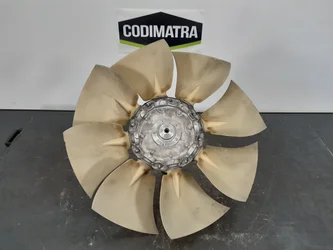
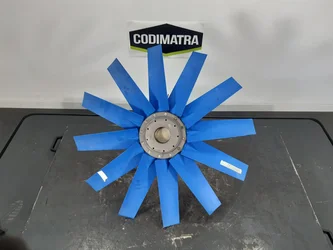
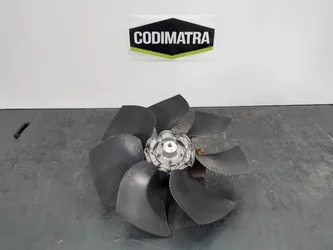
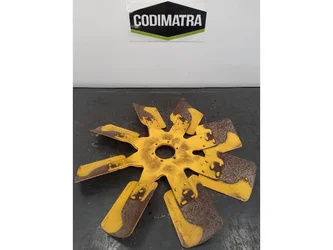
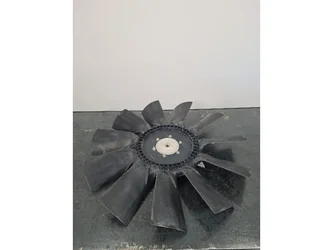
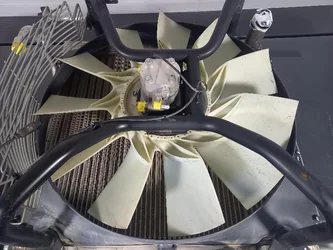
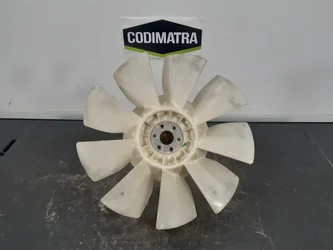
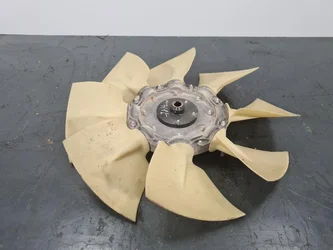
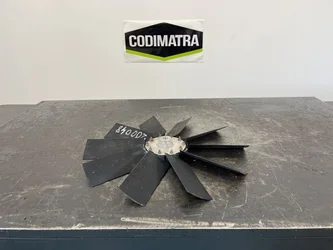
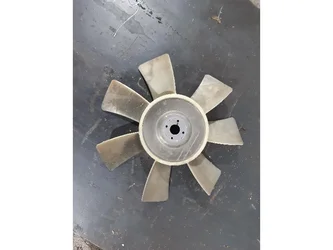
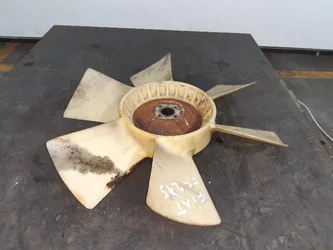
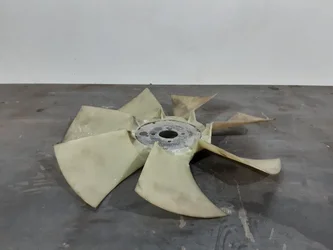
The engine fan is a key component of construction equipment's cooling system: it regulates the engine block temperature by ensuring air circulation around the radiator. A failure of this part exposes the engine to rapid overheating, directly impacting your machine's availability. Codimatra offers a selection of used engine fans for construction machinery, sourced from dismantled machines and inspected in our workshop, compatible with major brands in the sector. With approximately 17,000 references of parts available, our advisors assist you in identifying the reference suited to your machine.
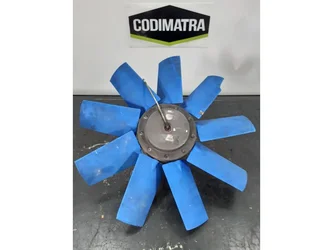
![Fan for LIEBHERR R974C]()
Fan for LIEBHERR R974C
As-is price :800,00 €Request a quote![Fan for LIEBHERR R974C]()
Fan for LIEBHERR R974C
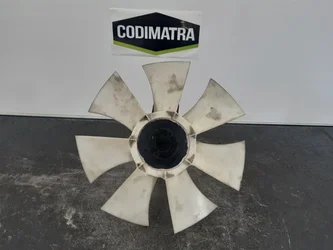
As-is price :800,00 €Request a quote![Fan for CATERPILLAR 924H]()
Fan for CATERPILLAR 924H
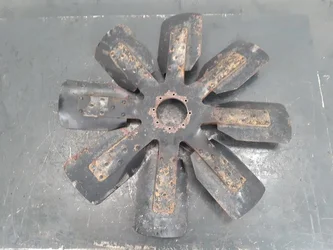
As-is price :300,00 €Request a quote![Fan for CATERPILLAR 963K]()
Fan for CATERPILLAR 963K
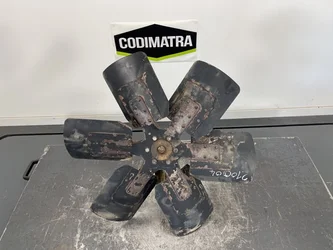
As-is price :600,00 €Request a quote![Fan for VOLVO L45G]()
Fan for VOLVO L45G
As-is price :350,00 €Request a quote![Fan for CATERPILLAR 966K]()
Fan for CATERPILLAR 966K
As-is price :950,00 €Request a quote![Fan for MECALAC 714MW]()
Fan for MECALAC 714MW
As-is price :650,00 €Request a quote![Fan for CATERPILLAR D6MXL]()
Fan for CATERPILLAR D6MXL
As-is price :800,00 €Request a quote![Fan for LIEBHERR R926COMP]()
Fan for LIEBHERR R926COMP
As-is price :200,00 €Request a quote![Fan for CATERPILLAR M320F]()
Fan for CATERPILLAR M320F
Request a quote![Fan for KOMATSU PC228USLC-10]()
Fan for KOMATSU PC228USLC-10
Request a quote![Fan for VOLVO ECR145EL]()
Fan for VOLVO ECR145EL
Request a quote![Fan for CATERPILLAR 924G]()
Fan for CATERPILLAR 924G
Request a quote![Fan for CATERPILLAR M318C]()
Fan for CATERPILLAR M318C
Request a quote![Fan for LIEBHERR R964C]()
Fan for LIEBHERR R964C
Request a quote![Fan for CATERPILLAR 950G]()
Fan for CATERPILLAR 950G
Request a quote![Fan for LIEBHERR L514]()
Fan for LIEBHERR L514
Request a quote![Fan for CASE CX75SR]()
Fan for CASE CX75SR
Request a quote![Fan for FIAT HITACHI EX215]()
Fan for FIAT HITACHI EX215
Request a quote![Fan for CATERPILLAR M322C]()
Fan for CATERPILLAR M322C
Request a quote![Fan for CATERPILLAR 775B]()
Fan for CATERPILLAR 775B
Request a quote![Fan for CATERPILLAR 330DL]()
Fan for CATERPILLAR 330DL
Request a quote![Fan for CATERPILLAR 955L]()
Fan for CATERPILLAR 955L
Request a quote![Fan for CATERPILLAR D7R]()
Fan for CATERPILLAR D7R
Request a quote![Fan for VOLVO A25D]()
Fan for VOLVO A25D
Request a quote![Fan for CATERPILLAR 365BII]()
Fan for CATERPILLAR 365BII
Request a quote![Fan for CASE 1188]()
Fan for CASE 1188
Request a quote![Fan for VOLVO EC180CL]()
Fan for VOLVO EC180CL
Request a quote![Fan for LIEBHERR R944C]()
Fan for LIEBHERR R944C
Request a quote![Fan for LIEBHERR A314LI]()
Fan for LIEBHERR A314LI
Request a quote![Fan for VOLVO L90F]()
Fan for VOLVO L90F
Request a quote![Fan for VOLVO EC380ENL]()
Fan for VOLVO EC380ENL
Request a quote![Fan for CATERPILLAR 966MXE]()
Fan for CATERPILLAR 966MXE
Request a quote![Fan for VOLVO A25D]()
Fan for VOLVO A25D
Request a quote![Fan for CATERPILLAR 325DLN]()
Fan for CATERPILLAR 325DLN
Request a quote![Fan for VOLVO A25D]()
Fan for VOLVO A25D
Request a quote
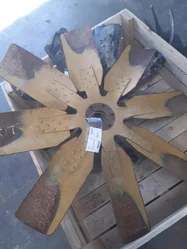
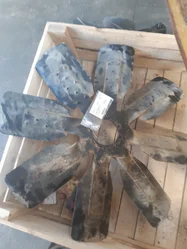
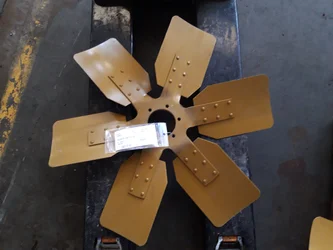
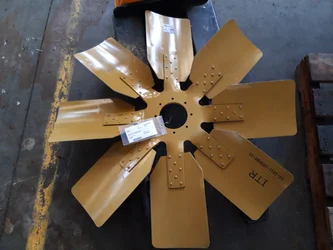
Engine fan failure: warning signs to watch for
A malfunctioning engine fan on construction equipment is mainly indicated by an abnormal engine temperature rise, visible on the gauge or your machine’s dashboard. On machines equipped with hydraulic drive, a failure of the fan motor can reduce or completely halt airflow. In case of repeated overheating, replacing the fan should be treated as a priority to avoid damage to more costly components, particularly the engine block or cooling circuit.
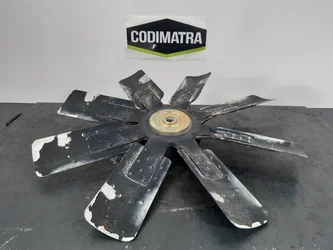
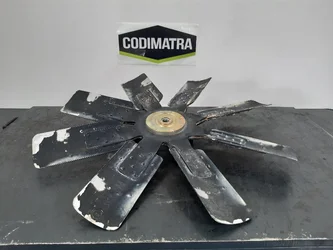
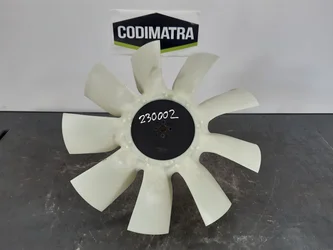
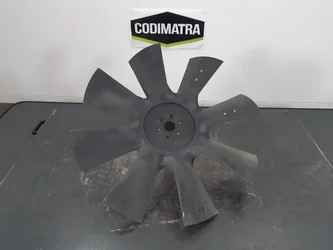
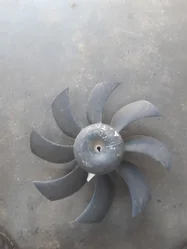
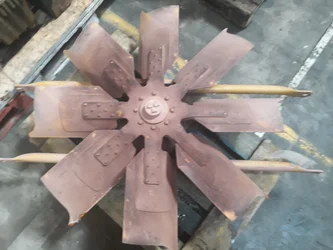
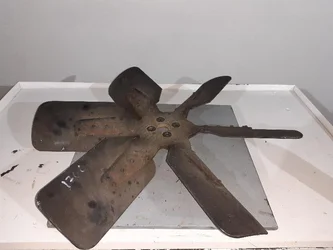
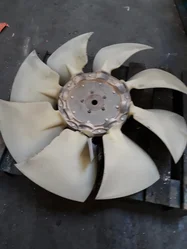
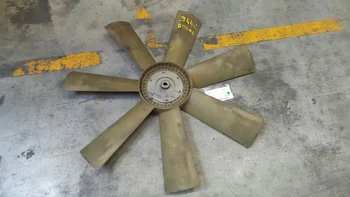
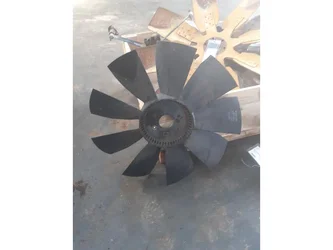
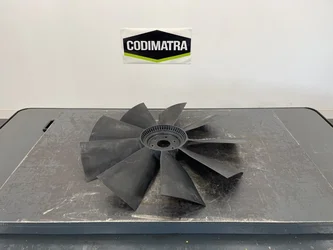
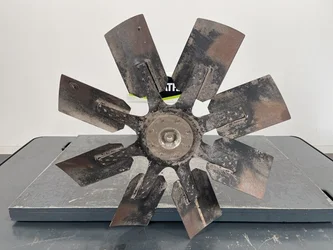
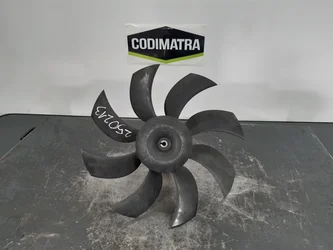
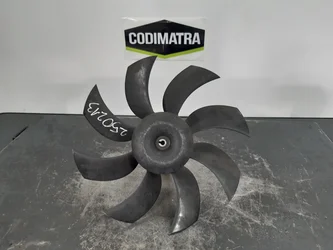
Engine fan blade: the main part
- The blade is the rotating component that generates the airflow necessary to cool the radiator and engine block.
- It is generally made of rigid-ring plastic on modern machines or metal on older equipment.
- A cracked, warped, or broken blade significantly reduces airflow and the ventilation system's effectiveness.
- At Codimatra, each used fan is inspected in our workshop: checking blade condition, absence of warping, integrity of fixings, and the drive shaft.
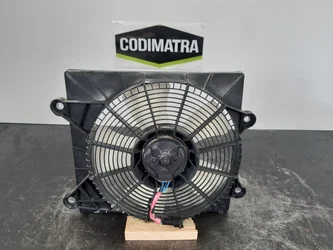
Electric motor fan: what you need to know
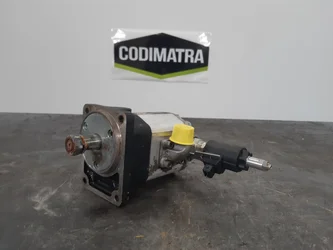
On construction equipment with combustion engines (diesel), the fan is mechanically driven by the engine or through a dedicated hydraulic circuit, directly linked to engine power. On electric or hybrid machines, the cooling fan is electrically powered and regulated according to the machine’s thermal load. The references available at Codimatra mainly cover combustion engines for conventional construction machinery. For any other operating environments, please contact our advisors to check the availability of parts suited to your machine.
Price of used engine fans
- The price of a used engine fan varies depending on the machine model, type of drive (mechanical or hydraulic), and manufacturer.
- Choosing a workshop-inspected used part gives performance equivalent to a new replacement part at a significantly lower cost.
- Provide our advisors with your machine’s brand, model, and serial number to get an accurate quote for the correct fan.
- For a complete cooling system replacement, also check the used water pump and used water radiator: these three components form the core of your machine’s thermal circuit.
The engine fan is driven by the engine via a belt or hydraulic drive and generates airflow through the radiator. This air removes heat from the coolant circulating in the engine circuit, maintaining the engine block temperature within its normal operating range. Without this airflow, temperature rises rapidly and the risk of overheating is immediate, regardless of the season.
The most common signs are an abnormal temperature rise on the dashboard, unusual noises coming from the engine compartment (whistling, vibration), or visibly reduced airflow at the radiator. On hydraulically driven machines, insufficient ventilation pressure can also indicate a failure. If in doubt, stop the machine to prevent overheating and have the fan inspected before resuming work.
On electric or hybrid machines, the cooling fan is powered by an integrated electric motor, separate from the main powertrain. It regulates cooling autonomously, often controlled by the machine’s thermal management electronics. On conventional diesel-powered construction machinery, however, the fan is mechanically or hydraulically driven by the diesel engine.
The cooling fan creates a forced airflow through the radiator, removing heat from the coolant. It maintains the engine block temperature within its optimal operating range, regardless of the machine’s workload. Without a working fan, overheating can occur within minutes during heavy work or high external temperatures.