Used Mini Excavator Undercarriage: Protecting Rollers and Sprocket in Muddy Conditions
1148 produits disponibles
The undercarriage bears the majority of mechanical stresses on a mini excavator. In muddy conditions, the wear on its components accelerates dramatically: lower rollers, upper rollers, sprocket, and track assembly face abrasive forces that significantly reduce their lifespan. Here's how to spot warning signs, adopt proper field practices, and when the time comes, choose suitable used replacement parts for your machine.
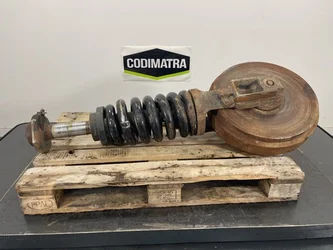
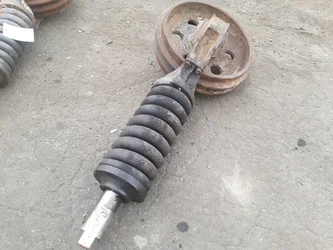
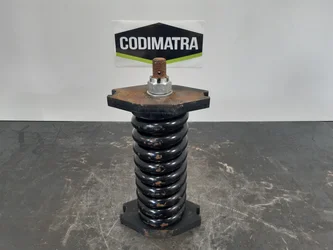
![Recoil spring for KOMATSU PC210LC-11]()
Recoil spring for KOMATSU PC210LC-11
As-is price :1 500,00 €Request a quote![Recoil spring for KOMATSU PC210LC-11]()
Recoil spring for KOMATSU PC210LC-11
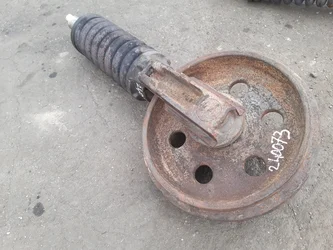
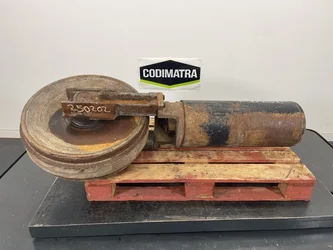
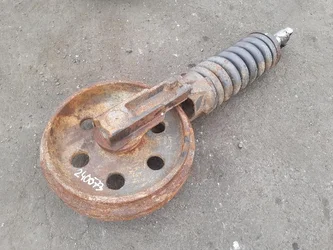
As-is price :1 500,00 €Request a quote![Idler for KOMATSU PC210LC-11]()
Idler for KOMATSU PC210LC-11
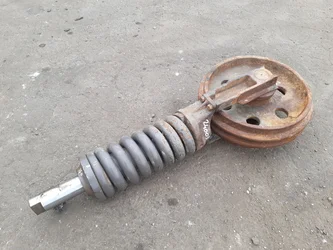
As-is price :600,00 €Request a quote![Idler for KOMATSU PC210LC-11]()
Idler for KOMATSU PC210LC-11
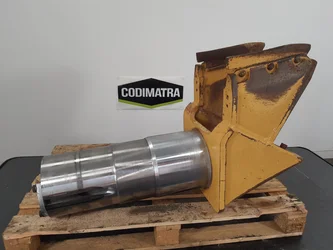
As-is price :600,00 €Request a quote![Undercarriage for CATERPILLAR D6NLGP]()
Undercarriage for CATERPILLAR D6NLGP
As-is price :5 000,00 €Request a quote![Idler for VOLVO EC140DL]()
Idler for VOLVO EC140DL
As-is price :600,00 €Request a quote![Idler for VOLVO EC140DL]()
Idler for VOLVO EC140DL
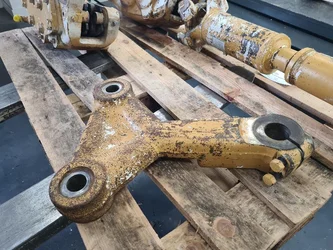
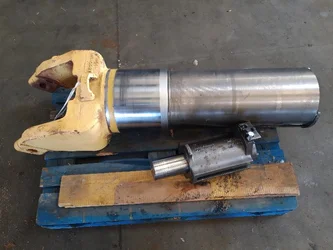
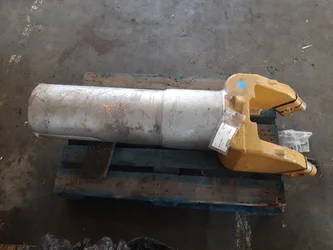
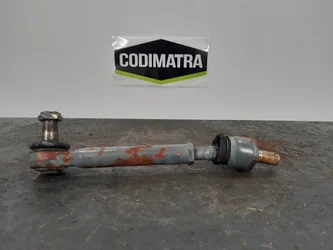
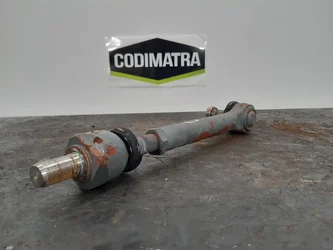
As-is price :600,00 €Request a quote![Tie rod for CATERPILLAR 769D]()
Tie rod for CATERPILLAR 769D
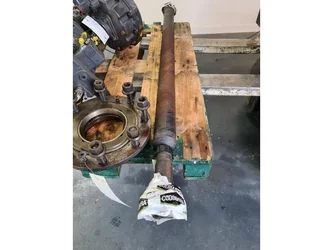
As-is price :1 500,00 €Request a quote![Cardan shaft for NEW HOLLAND MH3.6]()
Cardan shaft for NEW HOLLAND MH3.6
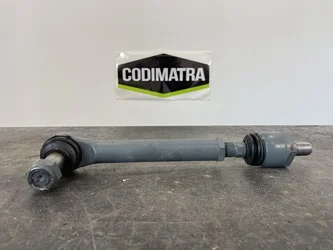
As-is price :800,00 €Request a quote![Tie rod for LIEBHERR A912 COMPACT]()
Tie rod for LIEBHERR A912 COMPACT
Request a quote![Idler for CATERPILLAR 336E]()
Idler for CATERPILLAR 336E
Request a quote![Recoil spring for CATERPILLAR 336E]()
Recoil spring for CATERPILLAR 336E
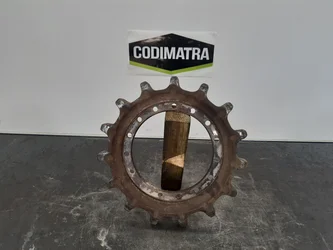
Request a quote![Sprocket for VOLVO EC380ENL]()
Sprocket for VOLVO EC380ENL
Request a quote![Sprocket for VOLVO EC380ENL]()
Sprocket for VOLVO EC380ENL
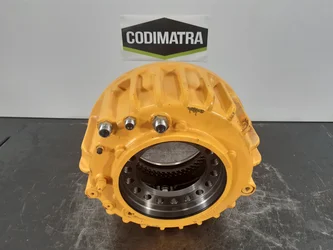
Request a quote![Brake for VOLVO A30G]()
Brake for VOLVO A30G
Request a quote![Brake for VOLVO A30G]()
Brake for VOLVO A30G
Request a quote![Undercarriage for CATERPILLAR D7R]()
Undercarriage for CATERPILLAR D7R
Request a quote![Undercarriage for CATERPILLAR D7R]()
Undercarriage for CATERPILLAR D7R
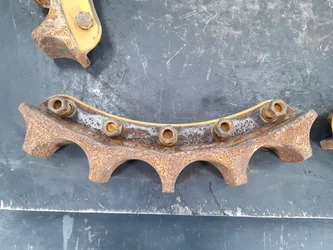
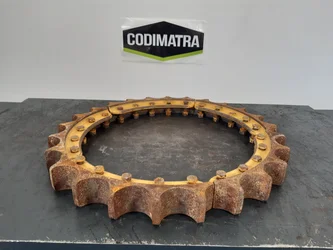
Request a quote![Sprocket for BOBCAT T590]()
Sprocket for BOBCAT T590
Request a quote![Sprocket for BOBCAT T590]()
Sprocket for BOBCAT T590
Request a quote![Recoil group for CATERPILLAR D6NLGP]()
Recoil group for CATERPILLAR D6NLGP
Request a quote![Recoil group for LIEBHERR R904CHDSL]()
Recoil group for LIEBHERR R904CHDSL
Request a quote![Recoil group for LIEBHERR R904CHDSL]()
Recoil group for LIEBHERR R904CHDSL
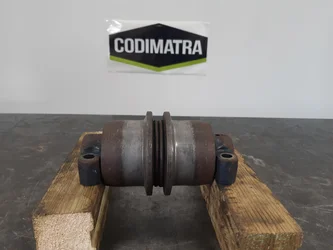
Request a quote![Bottom roller for KUBOTA KX080-4]()
Bottom roller for KUBOTA KX080-4
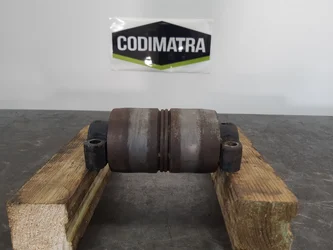
Request a quote![Top roller for KUBOTA KX080-4]()
Top roller for KUBOTA KX080-4
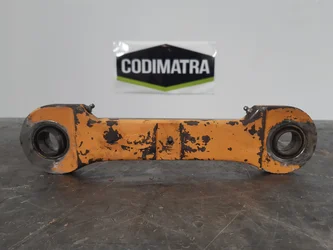
Request a quote![Tie rod for CASE WX145]()
Tie rod for CASE WX145
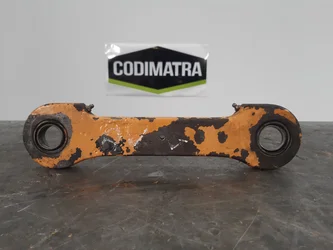
Request a quote![Tie rod for CASE WX145]()
Tie rod for CASE WX145
Request a quote![Tie rod for LIEBHERR A312LI]()
Tie rod for LIEBHERR A312LI
Request a quote![Tie rod for LIEBHERR A312LI]()
Tie rod for LIEBHERR A312LI
Request a quote![Sprocket for CATERPILLAR D6TXW]()
Sprocket for CATERPILLAR D6TXW
Request a quote![Sprocket for CATERPILLAR D6TXW]()
Sprocket for CATERPILLAR D6TXW
Request a quote![Recoil group for VOLVO EC140DL]()
Recoil group for VOLVO EC140DL
Request a quote![Recoil group for VOLVO EC140DL]()
Recoil group for VOLVO EC140DL
Request a quote![Recoil group for KUBOTA KX080-4]()
Recoil group for KUBOTA KX080-4
Request a quote![Recoil group for KUBOTA KX080-4]()
Recoil group for KUBOTA KX080-4
Request a quote![Recoil spring for KUBOTA KX080-4]()
Recoil spring for KUBOTA KX080-4
Request a quote
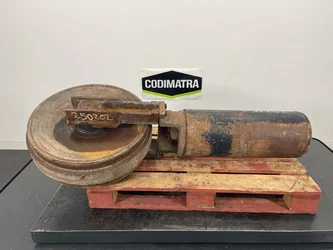
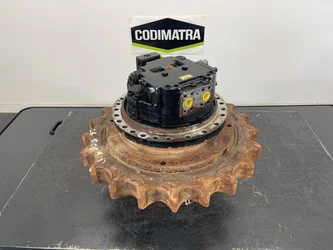
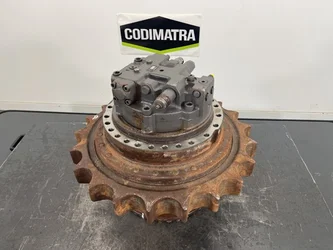
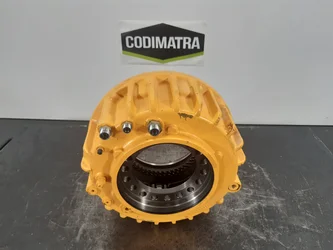
What is a Mini Excavator's Undercarriage?
The undercarriage, or track system, is the mechanical assembly that enables a mini excavator to move and maintain stability across all types of terrain. It transmits drive power to the tracks and supports the machine's full operating weight. This system endures severe stress in muddy, sandy, or rocky environments, making it one of the primary wear zones to monitor on any construction equipment.
Components of a Mini Excavator Track System
- Lower rollers: support the track on the ground and bear the machine's weight; wear manifests by oil leaks or excessive lateral play.
- Upper rollers: positioned at the top of the chassis, they maintain track tension and guide it between the sprocket and idler wheel.
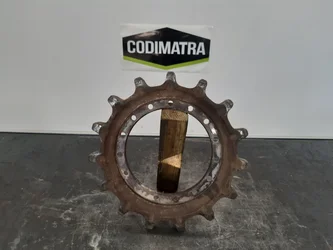
- Sprocket: a toothed wheel driven by the travel motor that advances the track; its teeth wear gradually and eventually fail to properly engage the track.
- Track assembly: the track chain and pads connecting all components; pad length and material (rubber or steel) vary depending on usage.
- Tensioner wheel: regulates track tension and absorbs some shocks during movement.
Why Does Mud Accelerate Undercarriage Wear?
Mud is not just a natural lubricant. It contains abrasive particles, especially sand and fine gravel, which infiltrate between rollers, seals, and links. When the mini excavator operates continuously on soggy ground, these particles act as abrasives, speeding up wear on roller supports and seals. Hardened mud buildup around the sprocket can also jam the tensioning mechanism, misalign the track, and cause track hopping during operation.
Machines used for wet excavation, deep earthworks, or deforestation are particularly vulnerable. Regular inspections after each job on muddy terrain are essential to anticipate replacements before on-site breakdowns occur.
Common Undercarriage Issues
- Oil leaks around rollers: sign of a faulty seal. If left untreated, the part deteriorates and may require full replacement.
- Excessive lateral play on upper rollers: the track begins to wander out of its guiding path and rubs against the chassis.
- Worn or broken sprocket teeth: the track slips instead of being driven, leading to significant traction loss and risk of track slip.
- Track elongation: if tension can no longer be adjusted fully via the tensioner, the entire track assembly needs replacement.
- Abnormal vibrations during travel: often indicate cracked pads, improperly tensioned track, or faulty rollers.
How to Protect Your Undercarriage in Muddy Terrain
Simple measures can greatly slow the wear rate of your mini excavator's undercarriage, even in very muddy conditions.
Start by checking track tension before each start-up. A loose track collects more mud and rubs excessively against the upper rollers. Conversely, an overly tight track overly stresses seals and bearings. Proper adjustment typically means a 10 to 20 mm play in the middle of the upper roller span.
Then clean the undercarriage thoroughly with a pressure washer after every muddy job. Focus on spaces between lower rollers, around the sprocket, and in track links. Hardened mud is much harder to remove and damages seals with subsequent start cycles.
Best Practices on Site and for Routine Maintenance
- Avoid repeated tight turns on highly abrasive terrain: each rotation exerts intense stress on pads and lower rollers.
- Match pad types to the ground: rubber pads are better suited for hard surfaces (asphalt, concrete), steel pads perform better on soft and muddy terrain.
- Visually inspect the undercarriage every 250 operating hours, or monthly with heavy use in muddy conditions.
- Regularly check roller oil levels: a dry roller wears significantly faster than one properly lubricated.
- For extended drilling or deforestation work, plan an intermediate inspection halfway through the project.
Rubber Tracks for Mini Excavators: Choosing the Right Type
Track selection directly affects undercarriage lifespan. For a mini excavator, two main options are available depending on the work terrain.
Rubber tracks are the most common solution in urban and suburban environments. They protect surfaces (asphalt, concrete, tile), reduce vibrations, and lower noise during operation. However, they are less resistant on very rocky or sharp terrains, which can tear them. Reinforced rubber tracks with integrated metal inserts offer increased puncture resistance and better grip on mixed ground.
On muddy or heavy earthmoving sites, steel tracks often remain more suitable: they resist abrasion and deformation better, though they prohibit travel on delicate surfaces.
Used Rubber Tracks: A Reliable, Cost-Effective Alternative
Used rubber tracks are especially interesting for machines with significant remaining hours that do not justify purchasing new parts. At Codimatra, used track assemblies are selected from equipment with remaining life still compatible with normal site use. Each component is inspected in the workshop before being offered for sale.
For mini excavators used occasionally or being progressively phased out, this approach maintains the machine operational without disproportionate expenses relative to its residual value. Find all our mini excavator track spare parts to quickly identify compatible components for your model.
Price of a Mini Excavator Track: New vs. Used
The cost of a new mini excavator track varies greatly depending on brand, model, and pad type (standard rubber, reinforced rubber, steel). It can range from a few hundred euros for small models up to several thousand for larger or premium brands.
Used undercarriage parts represent a serious alternative when the machine remains operational but budget does not allow new replacements. The used sprockets, used lower rollers, and used upper rollers offered by Codimatra are workshop-tested and available for many brands and models. Contact our team for pricing on the part reference matching your equipment.
Tracks for Kubota Mini Excavator and Other Common Brands
Kubota mini excavators are among the most popular models on French construction sites, especially in the KX and U series. Their undercarriages wear according to the same principles as other brands, with a particularity: compact models (under 2 tons) are almost exclusively equipped with rubber tracks, requiring special attention to risks of cuts and delamination. Our used Kubota parts catalog covers a wide range of popular models on the French market.
Beyond Kubota, Codimatra supplies used undercarriage parts for mini excavators from Komatsu, Hitachi, and many other brands. With approximately 17,000 stock references, the catalog usually allows finding the suitable part without waiting for new supply.
Used Undercarriage for Tracked Excavators and Tractors
The wear and protection principles described for mini excavators apply to all tracked machines: medium and large capacity tracked excavators, tracked construction tractors, bulldozers, and compact loaders. These machines, often exposed to more intense work cycles and heavier loads, experience faster component wear in muddy conditions.
Codimatra offers used undercarriage parts for all these construction machines, across brands including Caterpillar. Used tracked excavator parts undergo the same selection and workshop control process as mini excavators, ensuring consistent quality regardless of machine size.
When to Replace Used Rollers and Sprockets?
There is no universal lifespan for undercarriage components: it all depends on terrain, workload, and frequency of inspections. In practice, on mini excavators used in mixed conditions, lower rollers often require replacement between 2,000 and 4,000 hours, and sprockets between 3,000 and 6,000 hours.
Using workshop-tested used parts significantly reduces replacement costs while maintaining performance suited to your machine. Contact our team for a phone consultation or quote request: we will help identify the compatible reference and inform you of stock availability.
The undercarriage consists of all components that allow the mini excavator to move on tracks. It includes lower rollers, upper rollers, the sprocket, the idler wheel, and the track assembly (chain and pads). This system transmits power from the travel motor to the ground and supports the machine's weight while moving. It is one of the most heavily used assemblies of the machine, especially on abrasive or wet terrain.
The term commonly used is "undercarriage" or "track system." Each component has its own designation: the sprocket is the drive sprocket, lower rollers support the track on the ground, upper rollers guide it higher up. The entire assembly is sometimes referred to as the "carrier frame" in manufacturer manuals, but construction professionals generally use "undercarriage" or simply "track."
The most frequent failures are oil leaks on the rollers (failed seal), worn sprocket teeth (loss of traction), excessive track elongation, and track slippage. In muddy terrain, hardened dirt buildup around the sprocket and rollers accelerates these failures. Regular cleaning and track tension checks before each job help prevent most breakdowns.