Used Volvo TP Swing Hydraulic Motor
21 produits disponibles
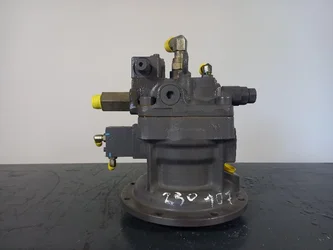
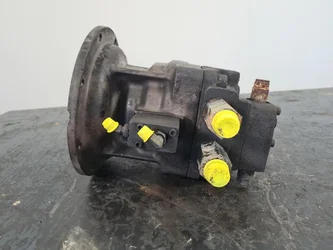
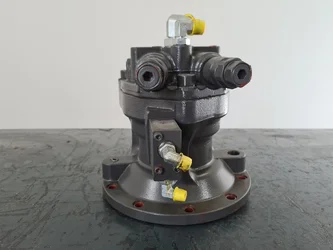
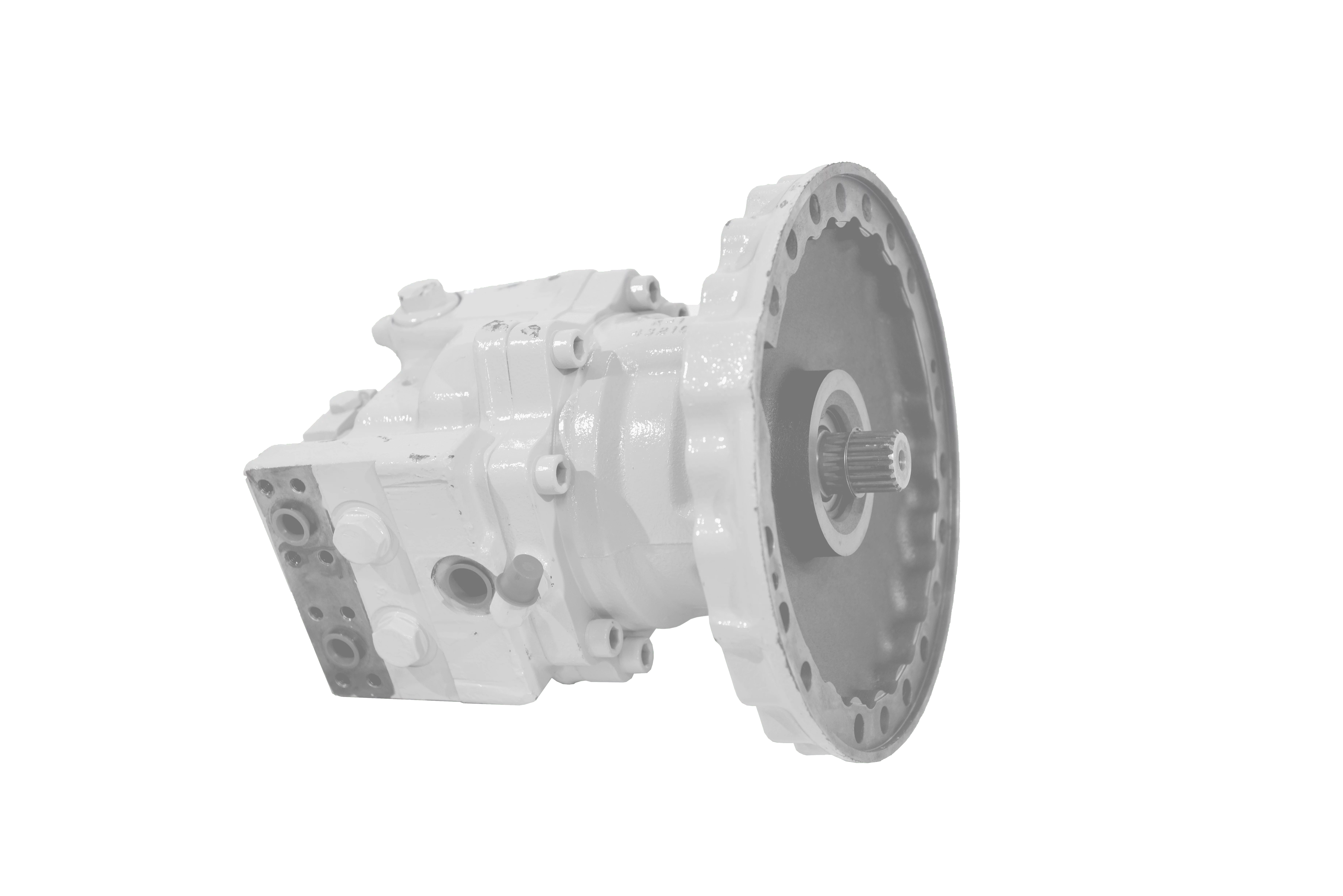
The swing hydraulic motor drives the turret rotation on your Volvo TP excavators: it enables the operator to rotate freely for digging, loading, and unloading without moving the entire machine. Loss of swing power, turret drift, or jerky rotation indicate internal wear of the motor or its components. At Codimatra, you’ll find used Volvo TP swing hydraulic motors sourced from carefully selected machines, dismantled and tested in our workshop. With over 40 years of expertise in spare parts for construction equipment and around 17,000 references available, our teams assist you in identifying the right replacement part.
![Swing motor for VOLVO ECR235DL]()
Swing motor for VOLVO ECR235DL
As-is price :3 500,00 €Request a quote![Swing motor for VOLVO ECR235DL]()
Swing motor for VOLVO ECR235DL
As-is price :2 000,00 €Request a quote![Swing motor for VOLVO ECR145EL]()
Swing motor for VOLVO ECR145EL
As-is price :2 600,00 €Request a quote![Hydraulic Translation motor for VOLVO EC380ENL]()
Hydraulic Translation motor for VOLVO EC380ENL
As-is price :3 500,00 €Request a quote![Swing motor for VOLVO EC380EL]()
Swing motor for VOLVO EC380EL
Request a quote![Swing motor for VOLVO EC160]()
Swing motor for VOLVO EC160
Request a quote![Swing motor for VOLVO EC250DNL]()
Swing motor for VOLVO EC250DNL
Request a quote![Swing motor for VOLVO EC180CL]()
Swing motor for VOLVO EC180CL
Request a quote![Swing motor for VOLVO EC700CL]()
Swing motor for VOLVO EC700CL
Request a quote![Swing motor for VOLVO EC700CL]()
Swing motor for VOLVO EC700CL
Request a quote![Swing motor for VOLVO EC460B]()
Swing motor for VOLVO EC460B
Request a quote![Swing motor for VOLVO EC460B]()
Swing motor for VOLVO EC460B
Request a quote![Swing motor for VOLVO EC210B]()
Swing motor for VOLVO EC210B
Request a quote![Swing motor for VOLVO EC210B]()
Swing motor for VOLVO EC210B
Request a quote![Swing motor for VOLVO EC290B]()
Swing motor for VOLVO EC290B
Request a quote![Swing motor for VOLVO EC210C]()
Swing motor for VOLVO EC210C
Request a quote![Swing motor for VOLVO EC210C]()
Swing motor for VOLVO EC210C
Request a quote![Swing motor for VOLVO EC210C]()
Swing motor for VOLVO EC210C
Request a quote![Swing motor for VOLVO EC160B]()
Swing motor for VOLVO EC160B
Request a quote![Swing motor for VOLVO EC140]()
Swing motor for VOLVO EC140
Request a quote![Hydraulic Translation motor for VOLVO ECR88D]()
Hydraulic Translation motor for VOLVO ECR88D
Request a quote
Volvo Construction Equipment: a leader in construction machinery
Volvo Construction Equipment (Volvo CE) is one of the most prominent construction machinery brands on European sites. Its hydraulic crawler excavators, particularly the compact models in the ECR range with reduced tail swing, are favored by construction professionals for maneuverability in confined spaces, small rear footprint, and strong performance in earthmoving and utilities work. Volvo CE equipment serves both large construction groups and small contractors.
The sizeable Volvo CE fleet in France ensures good availability of suitable used spare parts from recent dismantlings, which helps reduce downtime of your machines.
Volvo TP Excavators: Most common models for swing motor replacements
Demand for Volvo TP swing hydraulic motors mainly concerns compact and mid-size excavators.
- Volvo ECR145EL: compact 14.5-ton reduced tail swing excavator, widely used in urban sites. The swing motor is accessed via the rear cover and tends to wear on machines over 5,000 operating hours.
- Volvo ECR235DL: mid-size 23.5-ton excavator, popular in earthmoving and utilities projects. The swing motor must match the flow and torque specifications defined by Volvo CE for this chassis.
- Volvo EC140, EC160, EC210: classic crawler models common in the used market; Codimatra regularly stocks used swing motors for these models.
- Other Volvo CE models: For any unlisted Volvo CE excavator, provide the original motor part number or the machine’s serial number. Our teams will identify the matching part.
How the Volvo swing hydraulic motor works
On a Volvo Construction Equipment excavator, the swing hydraulic motor converts high-pressure oil flow into rotary motion to drive the turret ring via the swing reducer. It is powered by the main pump through the hydraulic distributor, controlling direction and speed of rotation.
Common failures include piston or internal cam wear (loss of swing torque), leaks in rotary seals (pressure drop), and turret drift without operator input. Before removing the motor, a line pressure test on the supply ports confirms whether the failure originates from the motor rather than the distributor or hydraulic pump.
Key points for ordering your used Volvo TP swing motor
- Manufacturer reference: Volvo CE part number engraved or screen-printed on the motor body, usually accessible without full disassembly
- Excavator model and year: torque and flow vary by series; incorrect part number leads to slow rotation or overheating
- Rotation direction: some motors are designed for a specific rotation direction depending on the swing reducer configuration; check before ordering
- Condition of the swing reducer: a used motor on a worn reducer will not eliminate turret drift; inspect both simultaneously
- Hydraulic connections: verify number, diameter and location of fittings to avoid mounting adapters
Components associated with the Volvo TP swing circuit
The swing motor is part of a hydraulic assembly whose overall condition affects replacement effectiveness.
The Volvo hydraulic distributor controls the pressure supply to the swing motor: internal spool wear can mimic motor failure by reducing effective flow for turret rotation.
The main hydraulic pump delivers required pressure and flow. If your Volvo excavator exhibits slow or irregular swing, measure discharge pressure before removing the swing motor.
On Volvo CE crawler excavators, the travel motor-reducer is subjected to similar pressure and cycle stresses as the swing motor: inspecting both during a hydraulic system service avoids repeated interventions. Discover all our used Volvo TP spare parts in our online catalogue.
Used Volvo TP swing hydraulic motors at Codimatra
- Parts sourced from selected dismantlings, inspected and tested in our workshop before shipment
- Coverage of main Volvo CE excavator models: ECR, EC, and EW upon request
- Control of key internal components: motor body, pistons, rotary seals, oil distribution channels
- Personalized advice based on your Volvo CE reference or machine serial number
- Fast delivery to minimize downtime of your construction equipment
The swing hydraulic motor converts hydraulic energy (pump pressure and flow) into rotary motion to drive the excavator’s turret via the swing reducer and ring gear. It is controlled by the hydraulic distributor, which regulates swing direction and speed according to operator joystick commands. On Volvo construction equipment, this motor is sized to ensure smooth rotation even under full load.
The manufacturer’s part number is generally engraved or screen-printed on the motor body, accessible after removing the rear or side protective cover depending on the Volvo excavator model. It can also be found in the Volvo CE parts catalogue using the machine’s serial number. If unavailable, our teams can assist in identifying the correct part number based on your machine model and year.
First, measure the pressure at the motor’s supply and return ports during a commanded swing. Correct supply pressure coupled with abnormally low rotation speed or insufficient torque confirms internal motor wear. If the supply pressure is too low, the issue is upstream: check the main hydraulic pump and swing distributor before removing the turret motor.
Yes, if the swing reducer is in good condition. Before installing a used Volvo TP swing motor, check for excessive play on the reducer’s input shaft and inspect shaft seals. Oil leaks between motor and reducer sides may originate from the reducer itself. In such cases, servicing both components simultaneously prevents a second downtime shortly after.