Used Hydraulic Travel Motor
224 produits disponibles
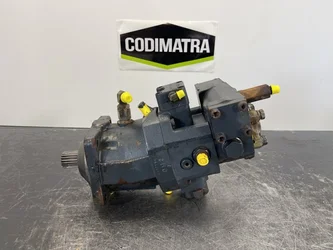
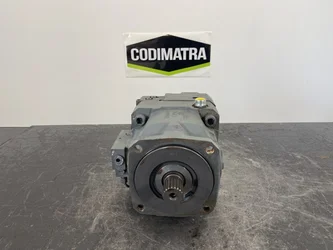
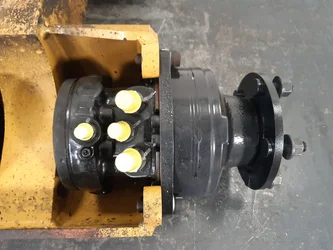
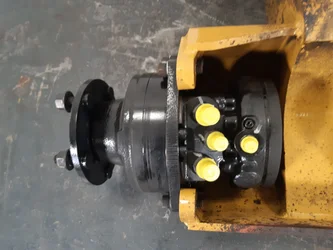
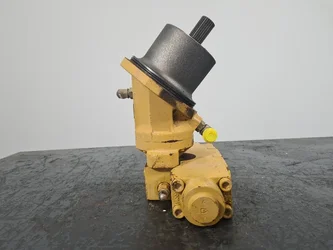
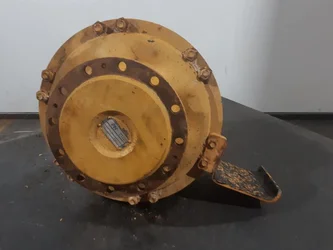
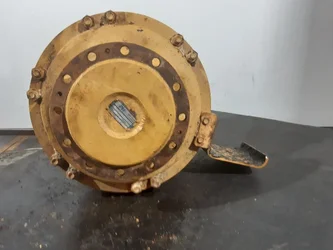
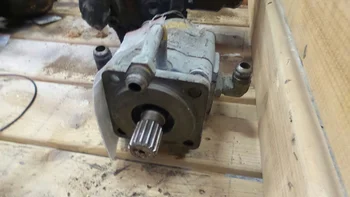
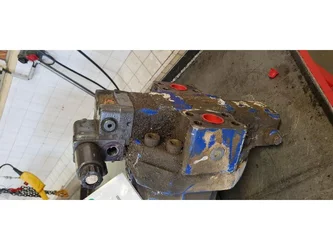
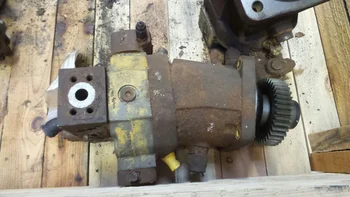
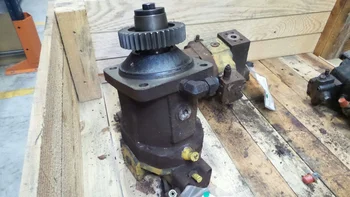
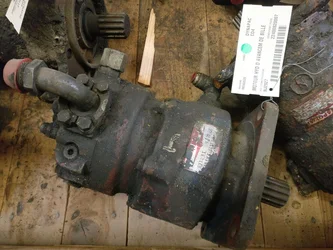
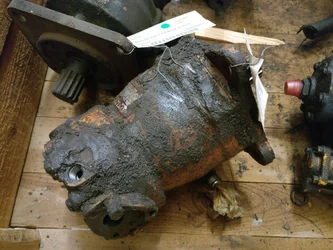
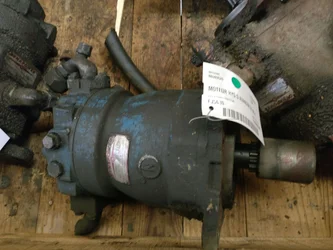
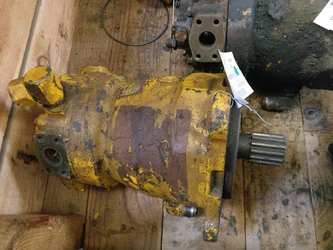
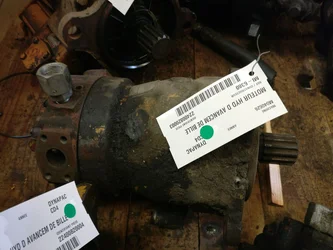
Hydraulic travel motors convert hydraulic energy into mechanical power to drive construction machinery. These essential components equip excavators, wheel loaders, and mini excavators by turning hydraulic pressure into rotary motion. Our selection of used motors covers key technologies: OMP and OMR orbital motors, piston systems, and integrated motor-reducers. Each motor is tested to ensure performance and reliability for your construction equipment.
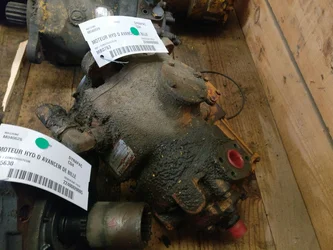
![Hydraulic travel motor for NEW HOLLAND MH3.6]()
Hydraulic travel motor for NEW HOLLAND MH3.6
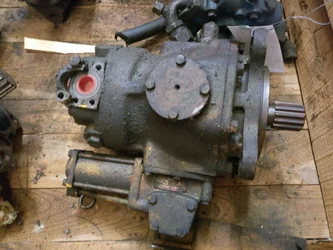
As-is price :4 500,00 €Request a quote![Hydraulic travel motor for LIEBHERR L576]()
Hydraulic travel motor for LIEBHERR L576
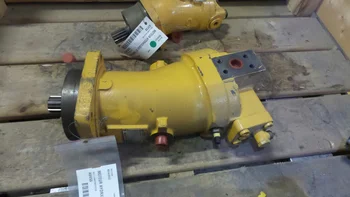
As-is price :4 500,00 €Request a quote![Hydraulic travel motor for LIEBHERR L576]()
Hydraulic travel motor for LIEBHERR L576
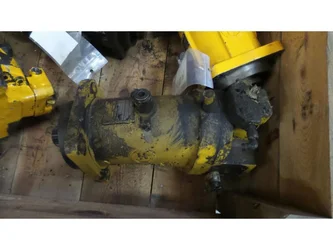
As-is price :4 500,00 €Request a quote![Swing motor for KOMATSU PW160-7K]()
Swing motor for KOMATSU PW160-7K
As-is price :3 500,00 €Request a quote![Swing motor for LIEBHERR LH22M]()
Swing motor for LIEBHERR LH22M
As-is price :4 000,00 €Request a quote![Swing motor for CATERPILLAR CC4.0]()
Swing motor for CATERPILLAR CC4.0
As-is price :1 000,00 €Request a quote![Swing motor for CATERPILLAR CC4.0]()
Swing motor for CATERPILLAR CC4.0
As-is price :1 000,00 €Request a quote![Swing motor for CATERPILLAR CC4.0]()
Swing motor for CATERPILLAR CC4.0
As-is price :2 000,00 €Request a quote![Swing motor for CATERPILLAR M318D]()
Swing motor for CATERPILLAR M318D
As-is price :4 500,00 €Request a quote![Swing motor for MECALAC 12MXT]()
Swing motor for MECALAC 12MXT
As-is price :3 500,00 €Request a quote![Hydraulic travel motor for CATERPILLAR M313D]()
Hydraulic travel motor for CATERPILLAR M313D
As-is price :3 500,00 €Request a quote![Hydraulic travel motor for CATERPILLAR 918M]()
Hydraulic travel motor for CATERPILLAR 918M
As-is price :5 100,00 €Request a quote![Hydraulic travel motor for CATERPILLAR 918M]()
Hydraulic travel motor for CATERPILLAR 918M
As-is price :4 000,00 €Request a quote![Hydraulic travel motor for VOLVO EW160D]()
Hydraulic travel motor for VOLVO EW160D
As-is price :4 500,00 €Request a quote![Hydraulic travel motor for CATERPILLAR CB535B]()
Hydraulic travel motor for CATERPILLAR CB535B
Request a quote![Hydraulic travel motor for CASE WX200]()
Hydraulic travel motor for CASE WX200
Request a quote![Hydraulic travel motor for CASE 121D]()
Hydraulic travel motor for CASE 121D
Request a quote![Hydraulic travel motor for AMMANN AV95]()
Hydraulic travel motor for AMMANN AV95
Request a quote![Hydraulic travel motor for CATERPILLAR D6RXL]()
Hydraulic travel motor for CATERPILLAR D6RXL
Request a quote![Hydraulic travel motor for CATERPILLAR D6RXL]()
Hydraulic travel motor for CATERPILLAR D6RXL
Request a quote![Hydraulic travel motor for BOMAG BW160AD]()
Hydraulic travel motor for BOMAG BW160AD
Request a quote![Hydraulic travel motor for BOMAG BW160AD]()
Hydraulic travel motor for BOMAG BW160AD
Request a quote![Hydraulic travel motor for RICHIER CV415]()
Hydraulic travel motor for RICHIER CV415
Request a quote![Hydraulic travel motor for MECALAC 12MXT]()
Hydraulic travel motor for MECALAC 12MXT
Request a quote![Hydraulic travel motor for CATERPILLAR IT14G]()
Hydraulic travel motor for CATERPILLAR IT14G
Request a quote![Hydraulic travel motor for CATERPILLAR IT14G]()
Hydraulic travel motor for CATERPILLAR IT14G
Request a quote![Hydraulic travel motor for DYNAPAC CD4]()
Hydraulic travel motor for DYNAPAC CD4
Request a quote![Hydraulic travel motor for DYNAPAC CD4]()
Hydraulic travel motor for DYNAPAC CD4
Request a quote![Hydraulic travel motor for DYNAPAC CD4]()
Hydraulic travel motor for DYNAPAC CD4
Request a quote![Hydraulic travel motor for DYNAPAC CD4]()
Hydraulic travel motor for DYNAPAC CD4
Request a quote![Hydraulic travel motor for DYNAPAC CD4]()
Hydraulic travel motor for DYNAPAC CD4
Request a quote![Hydraulic travel motor for DYNAPAC CD4]()
Hydraulic travel motor for DYNAPAC CD4
Request a quote![Hydraulic travel motor for DYNAPAC CD4]()
Hydraulic travel motor for DYNAPAC CD4
Request a quote![Hydraulic travel motor for LIEBHERR A902]()
Hydraulic travel motor for LIEBHERR A902
Request a quote![Hydraulic travel motor for MECALAC 11CX]()
Hydraulic travel motor for MECALAC 11CX
Request a quote![Hydraulic travel motor for MECALAC 11CX]()
Hydraulic travel motor for MECALAC 11CX
Request a quote
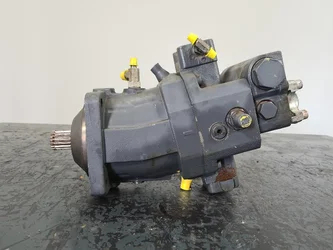
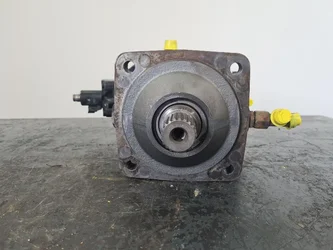
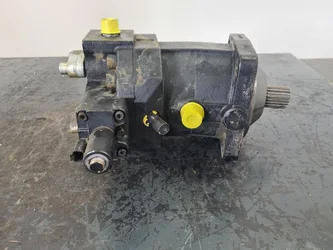
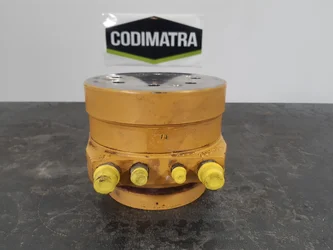
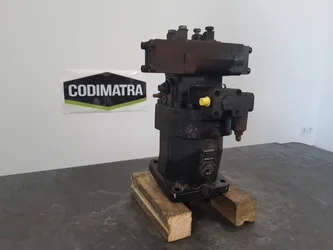
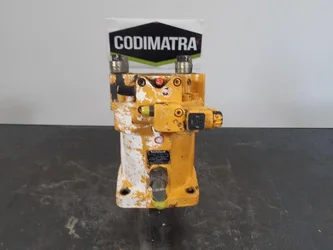
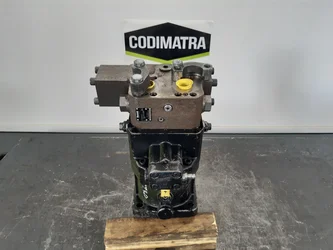
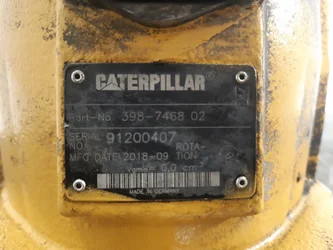
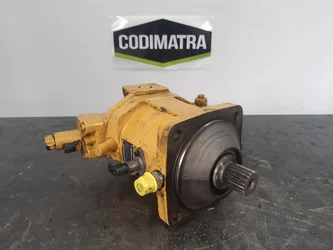
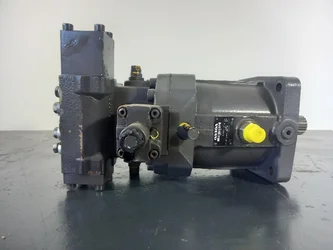
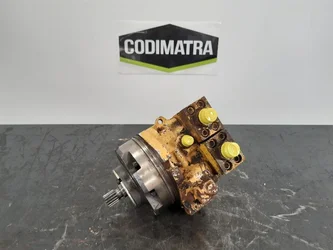
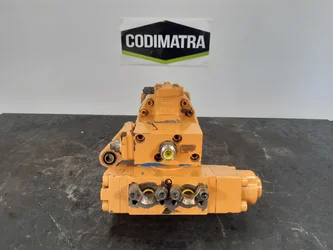
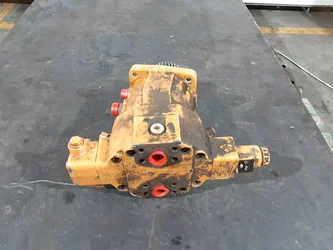
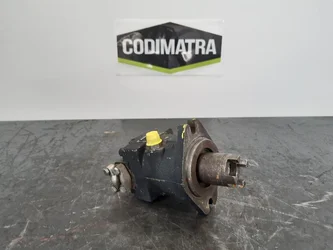
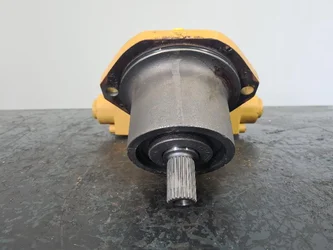
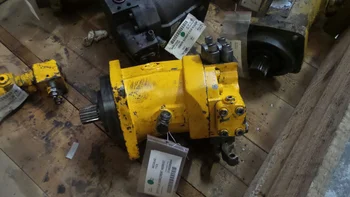
Used Hydraulic Travel Motor: Complete Guide
Selecting an adaptable second-hand travel motor requires a detailed technical review of several key parameters. Displacement is the primary criterion, typically ranging from 50 to 315 cm³ depending on the application. Always check hydraulic port compatibility and rotation direction against your existing setup.
The maximum rotational speed directly impacts your machine's performance. Carefully inspect the casing condition and listen for unusual noises. A gradual loss of power may indicate internal wear of hydraulic components.
Also verify the lubrication oil quality and shaft seal integrity. These simple checks provide insight into maintenance history and remaining service life of the hydraulic motor.
What is a hydraulic travel motor?
- A hydraulic component converting fluid pressure into mechanical rotation to move the tracks.
- Operates using high-pressure oil flow at relatively low speed.
- Known for delivering high torque suitable for heavy loads.
- Typically includes a planetary gear reducer to decrease speed and increase output torque.
- Motor types include radial piston and orbital systems depending on use.
- The hydraulic pump powers the motor, which reconverts energy to drive the drive wheels.
- Proper operation depends on the compatibility between motor displacement and system specifications.
Operating principle and energy conversion
Pressurized hydraulic fluid directly drives the motor’s internal rotating elements. The pressure difference between inlet and outlet creates continuous rotation of the output shaft.
This process relies on the incompressibility of hydraulic oil transmitting the full force generated by the main pump. The motor’s internal chambers fill and empty alternately, producing a rotational torque proportional to supply pressure.
Motor selection hinges on the relation between input pressure and available torque. A constant flow maintains stable rotation speed, while increasing pressure boosts the force transmitted to the tracks. This feature automatically adjusts effort to the resistance the machine encounters.
Difference from travel motors (translation motors)
- Travel motors always include a planetary reducer inside a sealed casing.
- Their displacement ranges from 80 to 160 cm³ versus 50 to 315 cm³ for standard travel motors.
- Travel motors handle higher radial loads thanks to reinforced bearings.
- Their maximum speed is limited to 3000 rpm to preserve the internal reducer’s durability.
- Used travel motors usually cost more than simple travel motors.
- Each exact travel model corresponds to a specific manufacturer part number and is not interchangeable.
- Travel motors can operate without a reducer depending on the machine application.
Types of hydraulic motors and technologies
Hydraulic technologies are grouped into distinct families according to specific applications. External gear motors offer an economical solution for moderate flow rates, while internal gear systems favor compactness and quiet operation.
Vane motors excel in applications requiring smooth startups and precise speed control. Their design enables automatic adaptation to load variations without mechanical shocks.
Axial piston systems dominate high-pressure applications due to outstanding efficiency and ability to handle pressures over 400 bars. These motors often include variable displacement that automatically optimizes torque according to machine resistance. This technical versatility explains their widespread use on modern construction machinery where performance outweighs initial cost.
OMP, OMR, and OMS 250 Orbital Motors
- OMP motors offer displacements from 8 to 50 cm³ for light-duty applications.
- OMR range covers 80 to 200 cm³ with standard 25mm cylindrical shaft.
- OMS 250 motors have 250 cm³ displacement with SAE A flange or 4-bolt mounting.
- These orbital models operate up to 280 bar pressure with excellent volumetric efficiency.
- Output shafts withstand significant radial loads up to 1500 N for OMS 250.
- Available with aligned or lateral G1/2 ports to simplify hydraulic installation.
- Compatible with speed sensors for precise control of automated travel systems.
Hydraulic motor-reducers and integrated systems
Hydraulic motor-reducers combine motor and planetary reducer within a single housing to optimize compact machine design. This integration provides direct transmission to drive wheels without intermediate shafts exposed to shocks.
The integrated design ensures enhanced sealing against mud and construction debris. The planetary reducer automatically reduces speed while boosting output torque, reaching reduction ratios from 1:20 to 1:100 depending on model.
These compact systems are widely used in mini-excavators and compact loaders where space is limited. Their simplified maintenance via a single oil housing reduces onsite interventions compared to traditional separate transmissions.
Leading manufacturers and technologies
The hydraulic travel motor market centers around a few major players known for technical expertise. Bosch Rexroth stands as a key reference with its A2FM and A6VM series, highly valued on Liebherr and Caterpillar machines for exceptional durability.
Eaton dominates the orbital segment thanks to its Char-Lynn series extensively used in compact machinery. Their proven technology over 40 years ensures remarkable reliability even under harsh jobsite conditions.
Parker Hannifin is distinguished by innovations in variable displacement allowing automatic torque adaptation to instantaneous machine demands. This technology revolutionizes energy efficiency in modern hydrostatic transmissions.
Danfoss and advanced hydraulic solutions
- Danfoss offers the OMP, OMR, and OMS orbital ranges widely adopted in agriculture.
- H1 series motors achieve 400 bar pressure with variable displacements from 50 to 400 cm³.
- Danfoss Load Sensing technology automatically adjusts flow based on real-time load.
- Integrated speed sensors deliver 35 pulses per revolution for precise travel controls.
- IP69K certification guarantees full seal against high-pressure sprays and extreme temperatures.
- Broad CAN-bus compatibility enables integration with modern connected machines.
- OMTW series designed specifically for direct wheel drive on compact self-propelled units.
Poclain and high-performance motors
Poclain Hydraulics revolutionizes the industry with its radial piston motors setting new performance standards on heavy equipment. This exclusive technology achieves exceptional torques exceeding 50,000 Nm, an unmatched feat in the public works sector.
Poclain motors are widely used on articulated dump trucks and tippers due to their unique ability to operate continuously under extreme loads. Their radial architecture evenly distributes mechanical stresses, significantly extending operational lifespan even in the harshest environments.
Poclain’s French expertise shines particularly in mining applications where reliability is critical. Their MS motors withstand extreme temperatures while maintaining optimal efficiency, a characteristic sought after by specialized equipment manufacturers like Liebherr or Volvo Construction Equipment.
Hydro Leduc and technical innovations
- Hydro Leduc develops compact radial piston hydraulic motors for specialized high-pressure applications.
- The patented "Star Motor" technology achieves continuous 700 bar pressure with displacements from 20 to 125 cm³.
- Modular construction allows custom assembly according to equipment manufacturer specifications.
- MH series motors feature integrated rotary valves enabling directional control without additional external valves.
- French design prioritizing high-strength materials and advanced heat treatments for enhanced longevity.
- Compatible with biodegradable HFC and HFD fluids to meet environmental standards on sensitive sites.
- Custom solutions for prototypes and limited series of demolition or forestry machinery.
Choosing a used travel motor at Codimatra
Our technical team thoroughly inspects each used travel motor before sale. We systematically check seal conditions, operating pressure, and hydraulic performance under real use conditions. This rigorous approach ensures the quality of components offered in our catalog.
At Codimatra, we support our professional clients in selecting the motor suited to their specific needs. Our permanent stock covers major market brands with displacements ranging from 50 to 400 cm³. Each reference comes with a detailed datasheet specifying maximum pressure, nominal flow, and installation dimensions to simplify your choice.
Compatibility with used Case, Caterpillar, and Liebherr
- Case motors primarily use displacements between 80 and 160 cm³ with nominal pressures of 350 bars.
- Caterpillar favors axial piston motors from the A6VM series offering high torque for heavy machinery.
- Liebherr equips its loaders with A6VM80HA motors referenced by the manufacturer for optimal traceability.
- Hydraulic connection specifications differ by brand, with specific SAE or metric thread types.
- Rotation directions vary between manufacturers requiring adaptation of high and low-pressure fittings.
- Case often integrates proprietary speed sensors incompatible with other electronic systems.
- Liebherr housings have particular mounting features requiring dimensional verification before replacement.
Hydraulic OMP and OMR motors mainly differ in displacement and performance. OMP motors have smaller displacements (usually 8 to 50 cm³) and are suited for light applications, while OMR motors offer larger displacements (36 to 375 cm³) for tasks requiring higher torque and power on construction equipment.
Hydraulic motors fall into three main technologies: external or internal gear motors, vane motors, and axial piston motors. Each technology features specific characteristics adapted to construction and agricultural machinery needs based on desired rotational speed and mechanical stresses.
First, check for external oil leaks around the casing and hydraulic fittings, then verify the free rotation of the output shaft without blockage or excessive play. Ensure hydraulic ports show no signs of corrosion or damage, and test operation under pressure to detect any performance drops or abnormal noises.
Displacement depends directly on the power and torque your machine requires. Mini excavators typically need between 80 and 120 cm³, while heavy equipment like bulldozers demand displacements of 160 cm³ or more. Refer to your manufacturer’s specifications to determine the optimal displacement based on available hydraulic flow.
Compare the manufacturer references on your current motor with those on the replacement motor to ensure perfect compatibility. Verify that operating pressure, nominal flow, and rotation direction match the characteristics of your original hydraulic pump.
The lifespan of a used hydraulic travel motor mainly varies based on its usage history and maintenance. A well-maintained motor can operate for several thousand additional hours, while a unit subjected to excessive stress or poor maintenance will have a reduced service life.