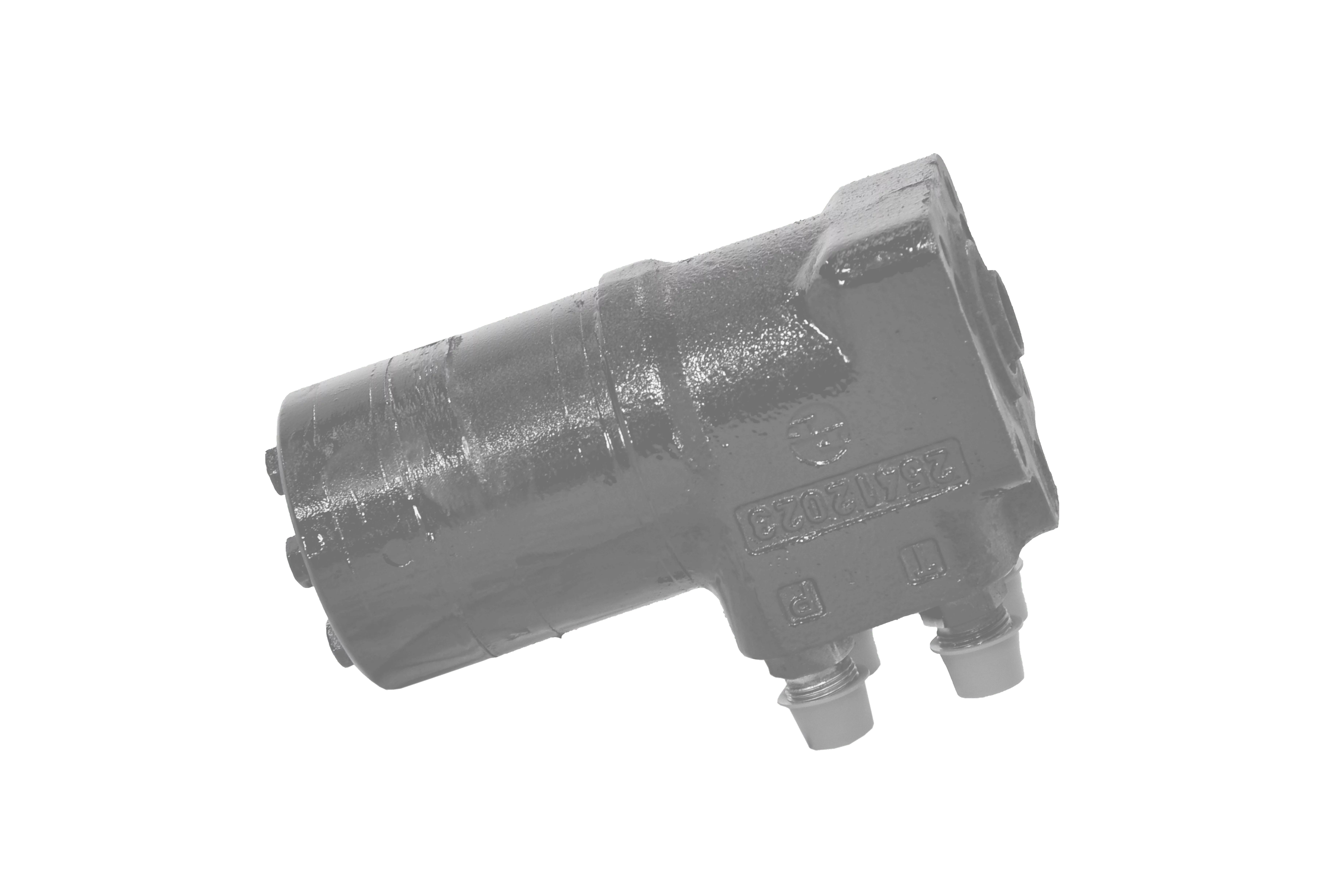
Used JCB Orbitrol
1 produits disponibles
Looking for a used orbitrol for your JCB machine? Our specialized catalog offers a carefully selected range of tested and guaranteed used hydraulic steering units. These essential spare parts for the power steering system are available for various JCB models, with daily stock updates. Our technical teams assist you in verifying compatibility for your construction equipment.
Operation and Steering Compatibility for Tractors
The complex hydraulic steering system relies on the interplay of several key components. The orbitrol converts the mechanical movement of the steering wheel into a hydraulic signal, enabling precise control of oil flow to the steering cylinders.
The hydraulic pump supplies the circuit under pressure, usually around 150 bars for JCB equipment. This constant pressure ensures optimal responsiveness, even during demanding maneuvers on site.
Regarding compatibility, each model requires specific specifications:
- Displacement adapted to the size of the equipment
- Corresponding hydraulic fittings (often 1/2" BSP)
- Proper integration under the steering column
Power loss or malfunctions can occur if there is a poor match between the orbitrol and other spare parts in the hydraulic circuit.
Hydraulic Steering Diagram and Compatible Brands
- Eaton Char-Lynn orbitrols equip many JCB machines with cross-references 35/910088 and 263-3341-002.
- Extended compatibility with Danfoss and Sauer brands allows interchangeability across various construction equipment models.
- The standard hydraulic circuit includes supply P, return T, and outputs L and R to steering cylinders.
- M+S and ZF brands offer economical alternatives for Case, Deutz, Hanomag with equivalent performance.
- Equivalent references are available for JCB 3CX, 4CX backhoe loaders and 500 series telehandlers.
- Technical mounting is identical under the steering column with 1/2" BSP fittings on four main ports.
- Checking hydraulic fitting layouts before replacement is mandatory to avoid circuit malfunctions.
The orbitrol on a JCB machine is a hydraulic power steering device that converts steering wheel movement into hydraulic pressure. This essential component controls the flow of oil to the steering cylinders, allowing smooth and precise maneuvering of your equipment. The orbitrol eliminates the direct mechanical link between the steering wheel and wheels, reducing the physical effort needed to steer the machine even under heavy loads.
To select the right used JCB orbitrol, first verify the manufacturer's reference and your machine model to ensure perfect compatibility. Inspect the overall condition of the part, especially the installation ports and absence of visible leaks on the shaft. Prefer orbitrols with a known maintenance history and contact our teams for technical validation before purchase.
Codimatra's used orbitrols are sold without warranty or prior overhaul, like all our used parts. These hydraulic components undergo rigorous visual inspection in our workshops before being stocked. Our technicians check general condition and compliance with technical standards, but compatibility responsibility remains with you.
Check the port layouts of your current orbitrol and compare them with the used part offered. Note the markings on your existing orbitrol and the JCB reference of your machine to confirm technical match. Measure hydraulic fitting diameters and record their configuration before proceeding with the purchase.
Main signs of orbitrol wear include visible oil leaks at the steering shaft, imprecise steering or wandering on the road. The steering wheel may turn endlessly without mechanical stop, or the machine can lose its straight position once warmed up. Worn rings and degraded seals are also indicators of advanced wear requiring replacement.
Installing a used JCB orbitrol requires specialized hydraulic skills and proper tools to disconnect pressurized fittings. This procedure demands a complete hydraulic circuit purge and precise steering parameter adjustments. We strongly recommend entrusting this task to a qualified mechanic to avoid malfunctions and ensure driving safety.