
Used CASE Alternator
10 produits disponibles
Are you looking for a used CASE alternator for your tractor, backhoe loader, or other agricultural equipment? Our selection of refurbished alternators offers an economical and reliable solution to replace your faulty part. Each alternator is carefully inspected and tested to ensure optimal performance. Discover our certified spare parts compatible with CASE IH models, available at discounted prices without compromising quality.
![Alternator for CASE 580SK]()
Alternator for CASE 580SK
Request a quote![Alternator for CASE WX145]()
Alternator for CASE WX145
Request a quote![Alternator for CASE 1188P]()
Alternator for CASE 1188P
Request a quote![Alternator for CASE CX225SR]()
Alternator for CASE CX225SR
Request a quote![Alternator for CASE 9046]()
Alternator for CASE 9046
Request a quote![Alternator for CASE WX165]()
Alternator for CASE WX165
Request a quote![Alternator for CASE WX200]()
Alternator for CASE WX200
Request a quote![Alternator for CASE 121D]()
Alternator for CASE 121D
Request a quote![Alternator for CASE CX135SR]()
Alternator for CASE CX135SR
Request a quote![Alternator for CASE WX150]()
Alternator for CASE WX150
Request a quote
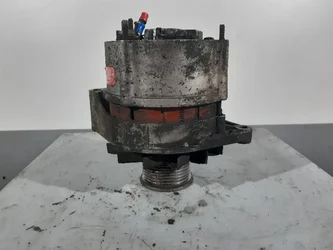
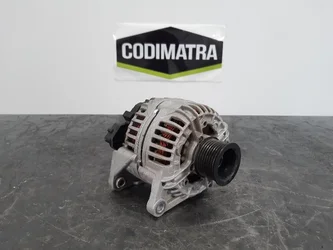
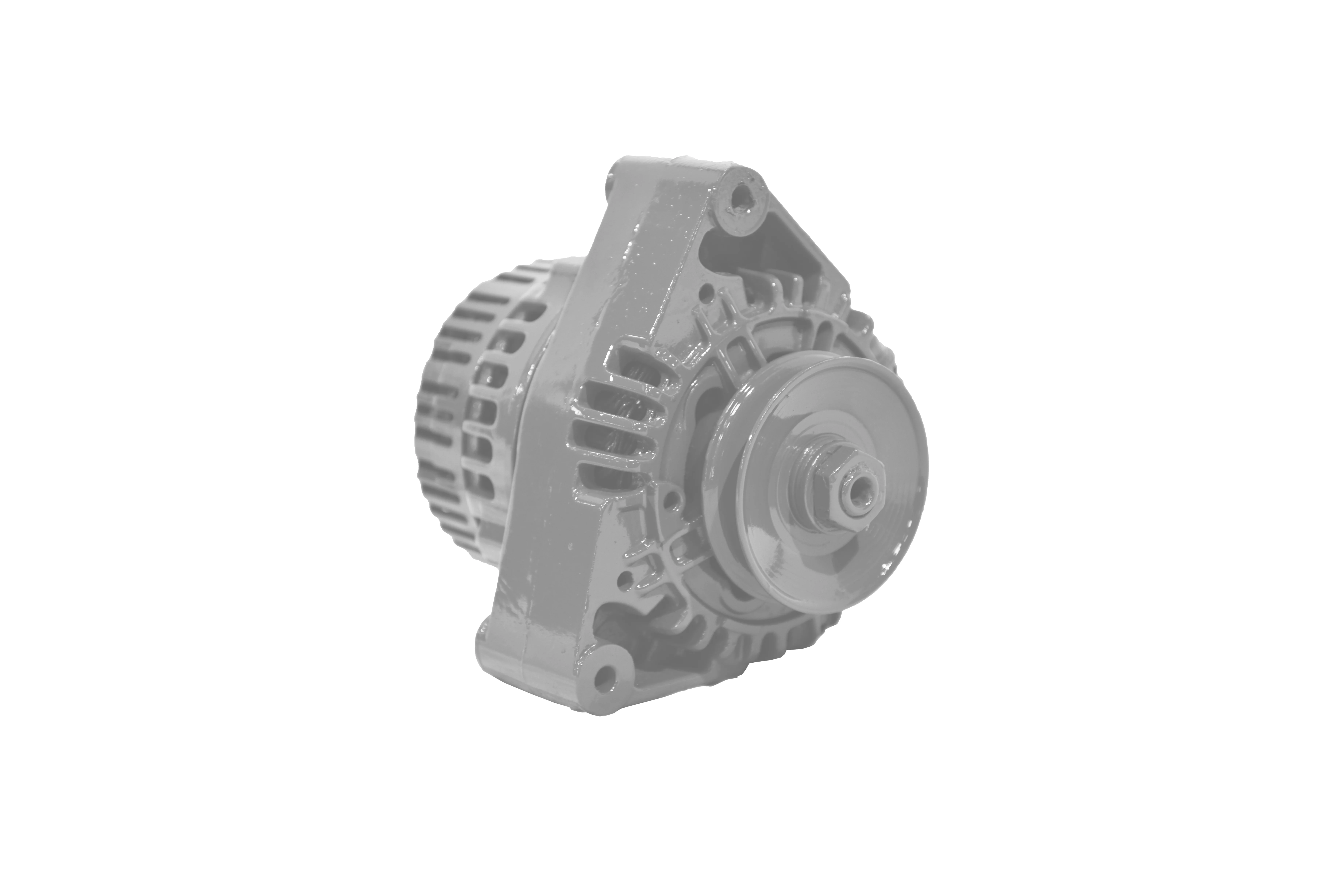
CASE Alternators Available by Equipment Model
Our inventory includes alternators for CASE backhoe loaders from various series, including models 580, 590, and 695. Equipment from the WX range also benefits from broad compatibility with our refurbished parts.
Alternators for CASE IH agricultural tractors cover the Maxxum, Puma, and Magnum series, with 12V and 24V options depending on configurations. Each reference corresponds to precise technical specifications to ensure perfect compatibility.
For combines, our alternators fit Axial-Flow series and compact models. Telescopic handlers also find suitable alternators in our catalog, with power adapted to the specific electrical needs of each machine.
How to Choose Your Used CASE Alternator
- Identify the exact reference on the label of your current alternator before removal.
- Check the amperage required by your CASE equipment by consulting the technical manual.
- Measure the output voltage with a voltmeter: it should read between 13.8V and 14.4V.
- Inspect the condition of the mounts and the number of splines on the drive pulley.
- Request the history of the part and the mileage of the donor vehicle if possible.
- Test electrical connections and check for any bearing play before purchase.
- Prefer alternators that come with a warranty even for used parts.
Yes, you can purchase a used CASE alternator from specialized auto wreckers, spare parts resellers, or dedicated online platforms. These alternators are dismantled from end-of-life vehicles, tested, and inspected prior to sale. They offer a cost-effective solution with savings up to 70% compared to new parts while maintaining reliability.
A used alternator holds significant value because these parts are designed for long service life. CASE alternators are known for their durability and can operate efficiently even after several years of use. Their extended lifespan ensures satisfactory performance when rebuilt on another piece of construction equipment.
Refurbished CASE alternators typically come with a 12 to 24-month warranty depending on the supplier and level of refurbishment. This coverage includes manufacturing defects and premature failures, with repair or replacement provided. Some specialists offer extended warranties up to 3 years for premium alternators fully remanufactured with new components.
First, disconnect the battery, then remove the accessory belt and unbolt the old alternator. Position the used alternator, reconnect the electrical cables to their original locations, and reinstall the belt. Tighten all mounting bolts and reconnect the battery before testing startup to verify the charging system operates correctly.
Visually inspect the belt condition ensuring no cracks or fraying, examine the carbon brushes which should have at least 5 mm of residual length, and check that the commutator has a smooth surface without excessive scratches. Test the rotor’s free rotation with no noticeable axial play and listen for any signs of failing bearings.