Mini Excavator Hydraulic Pump: Recognizing Signs of Wear and Finding the Right Part
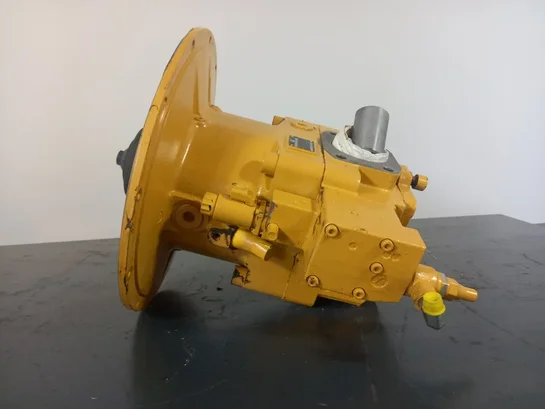
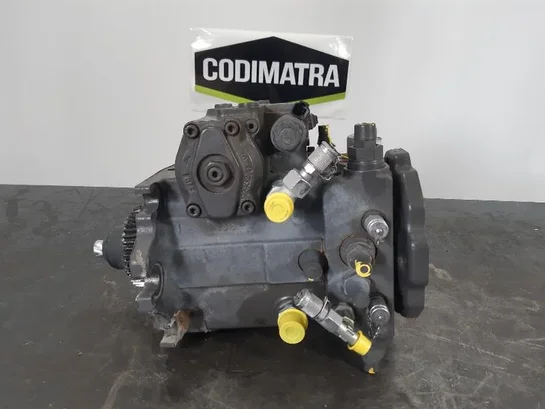
The hydraulic pump is the heart of your mini excavator's hydraulic circuit. It generates the pressure and flow necessary for all working components: boom, arm and bucket cylinders, swing hydraulic motor, hydraulic distributor, and travel motors. When it wears out, the entire machine loses responsiveness and power. At Codimatra, used hydraulic pumps are dismantled from carefully selected machines and thoroughly tested in our workshop before shipping, allowing you to replace the part without the cost of a new pump.
What Are the Symptoms of a Faulty Hydraulic Pump?
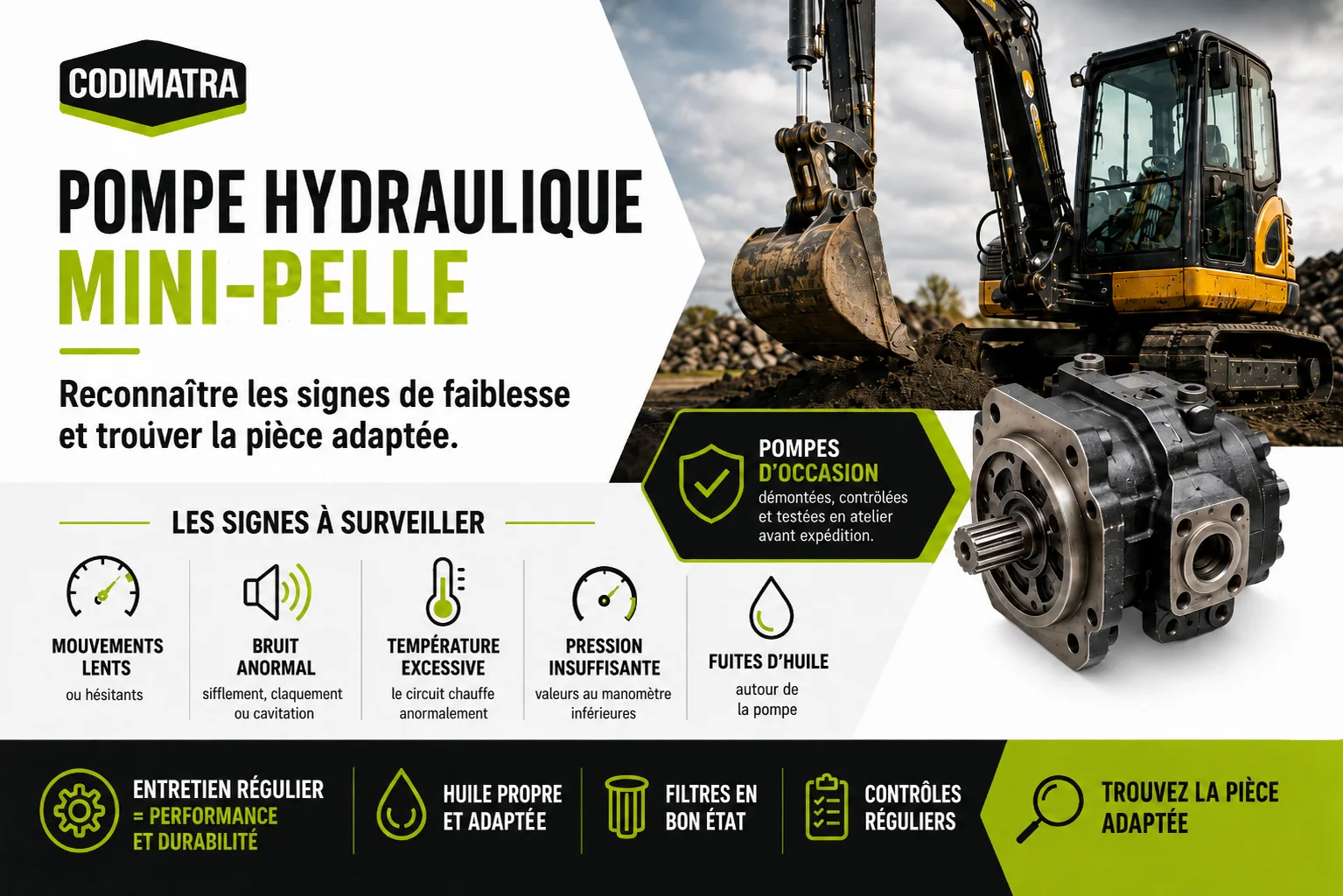
Hydraulic pump failure on a mini excavator rarely happens suddenly. It develops gradually, with clear signals well before a complete breakdown:
- Slow or hesitant movements: The bucket or boom responds sluggishly, even at full engine speed. This is the most common sign of low flow.
- Unusual noise: Whistling, knocking, or cavitation sounds (gurgling) at startup or under load. Cavitation occurs when the pump draws air or lacks proper oil supply.
- Excessive temperature rise: A worn pump generates internal losses that produce heat. The temperature gauge rises faster than usual.
- Insufficient pressure on the gauge: If the operating pressure is below manufacturer specifications when cold or hot, volumetric efficiency is declining.
- Oil leaks around the pump: Leaking shaft seals or flange gaskets, often indicating advanced internal wear.
Causes of Mini Excavator Hydraulic Pump Failures
Premature failures almost always have identifiable causes:
- Degraded or contaminated hydraulic oil: Abrasive metal particles and oxidized oil rapidly destroy internal bearings. This is the leading cause of premature wear, often due to delayed oil changes.
- Low oil level: A hydraulic tank that's too low causes air suction (cavitation), which severely damages pistons and internal distribution plates. Prolonged cavitation also accelerates wear of used cylinders and travel motors.
- Clogged suction filter: Has the same effect as low oil level; the pump cavitates due to insufficient oil supply.
- Repeated overheating: Overheated oil loses viscosity and no longer lubricates internal friction points, causing accelerated wear.
- Excessive vibrations: Misaligned coupling or loose pump mounting can lead to premature bearing and bushing wear.
What is the Service Life of a Hydraulic Pump?
On a well-maintained mini excavator, a hydraulic pump can last between 3,000 and 8,000 hours depending on the brand, usage conditions, and maintenance of oil changes. Machines used in harsh environments (dusty sites, high heat, intensive cycles) may experience pump wear at double the normal rate.
The real longevity mainly depends on the quality of oil maintained in the circuit and adherence to oil change intervals. Delays of 500 hours on hydraulic oil changes can halve the pump's service life.
Different Types of Hydraulic Pumps on a Mini Excavator
A mini excavator's hydraulic circuit relies on several types of pumps, each with a dedicated function to ensure mobility and working power. Usually, five main categories are distinguished:
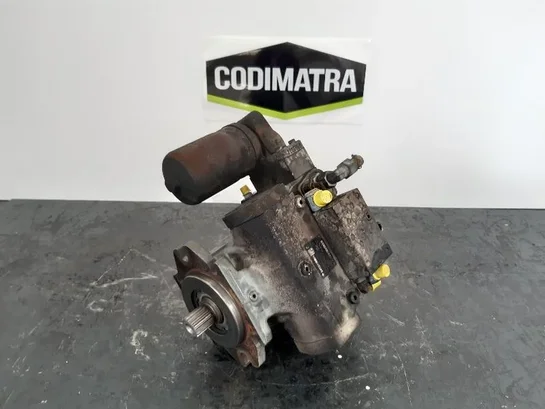
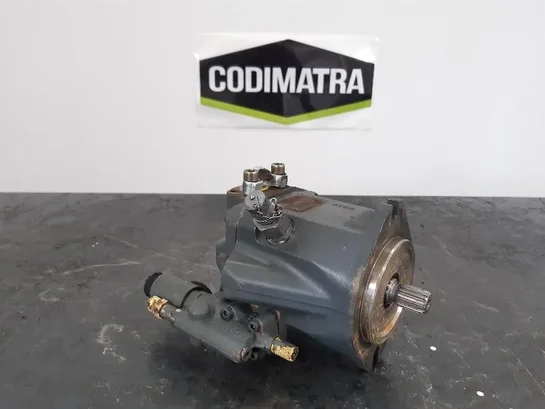
- Main Hydraulic Pump: This is the machine's beating heart. It provides the flow and pressure needed for major functions like boom lifting, arm movement, and bucket excavation. Modern mini excavators often use variable displacement axial piston pumps, which can adjust power output based on resistance encountered.
- Travel Hydraulic Pump: This hydraulic pump unit is specifically dedicated to the machine’s movement. It delivers high-pressure oil to the travel motors located in the undercarriage, ensuring smooth and powerful travel, even on slopes, by regulating flow to achieve the desired speed.
- Swing Hydraulic Pump: It powers the turret’s swing motor. Its role is to convert hydraulic energy into circular mechanical motion to allow 360° rotation of the turret via the slewing ring. It must provide precise control to stop or position the arm exactly where the operator wants.
- Steering Hydraulic Pump: While more common on wheeled excavators, it provides necessary assistance for wheel steering or maneuvering on some compact models. It ensures smooth, responsive steering, reducing operator fatigue.
- Auxiliary (Pilot) Hydraulic Pump: Often gear-type, this pump is driven by a power take-off or coupled to the main pump. Its role is to supply control circuits (joysticks in the cab) and auxiliary accessories that do not require the main pump’s full power. It maintains a constant control pressure, regardless of the load on the working cylinders.
Each of these pumps is essential. Failure of any one can immobilize a specific function (such as travel) while leaving others operational, which aids significantly in diagnosing faults.
Double-Acting Cylinder: Monitor Alongside the Pump
On a mini excavator, used double-acting hydraulic cylinders are directly supplied by the pump. When the pump wears and releases metal particles into the circuit, the cylinder seals are the first to suffer. A cylinder that lowers slowly under load, shows oil seepage on the rod, or has abnormal play at the end of stroke may have been damaged by a failing pump rather than independent wear.
Before ordering a replacement cylinder, check that the pump is in good condition: replacing a cylinder on a contaminated circuit is like installing a new part in an abrasive environment. The most effective approach is to service both components during the same intervention.
Used Hydraulic Pumps: How to Find the Right Reference
To identify a used hydraulic pump compatible with your mini excavator, you will need at minimum:
- the manufacturer's reference of the original pump (nameplate or maintenance record),
- the machine model and serial number to rule out series variations.
Used hydraulic pumps available at Codimatra cover major brands in the French market:
- Kubota: U, KX ranges and compact mini excavators; gear and piston pumps.
- Caterpillar: models 301 to 308; tandem or single pumps depending on version and year.
- Komatsu: PC13 to PC88; travel and working pumps often separate.
- JCB: 8008 to 85Z range; piston and gear pumps depending on model.
- Case: CX range; tandem pumps frequently requested on the used market.
- Yanmar: 3TNV and 4TNV engines equipping many multi-brand mini excavators. Pumps available according to stock.
Codimatra's used hydraulic pumps also cover some compact lifting equipment (site mini-cranes, truck-mounted auxiliary cranes), as Yanmar and Kubota engines overlap with mini excavator models. If your hydraulic crane uses one of these engines, provide the pump reference—the compatibility is common.
Availability varies with stock. Contact Codimatra's team Monday to Friday specifying brand, model, and reference to check availability.
Need the Right Reference? Call Us
Price of a Used Mini Excavator Hydraulic Pump
The price of a brand new original hydraulic pump for mini excavators varies by brand, model, and complexity (single or tandem pump). A used hydraulic pump from machines tested in our workshop offers significant cost savings while supplying a component inspected before shipment. To get an accurate price, provide Codimatra with your pump's reference and your machine's model.
Hydraulic Power Unit: Replace the Pump Alone or the Entire Assembly?
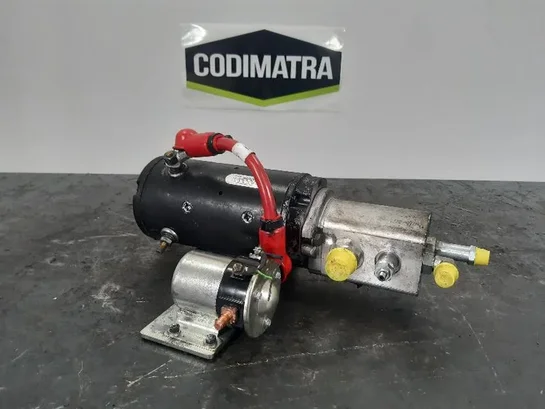
On some compact machines, the hydraulic pump, drive motor, and reservoir form an integrated hydraulic power unit. When failure is extensive (worn pump, contaminated tank, degraded hoses), replacing the entire used hydraulic power unit is considered. This is often chosen for well-used mini excavators or when severe contamination justifies a full renewal rather than sequential part replacements.
At Codimatra, availability of used hydraulic power units varies with dismantled machine stock. Provide your machine model and pump reference to check if a complete unit is available or if pump replacement alone is advisable.
Hydraulic Distributor: The Part to Check Alongside
When a hydraulic pump is faulty, it is strongly recommended to check the condition of the used hydraulic distributor and the used rotation and travel hydraulic motors. The distributor directs oil flow to each component based on operator commands. A worn pump that has released metal particles into the circuit may have damaged distributor valves and seats, as well as internal bearings of hydraulic motors.
Replacing the pump without inspecting the distributor risks rapid contamination of the new part by accumulated wear debris in the circuit.
The main signs are slow or hesitant movements despite full engine speed, whistling or cavitation noise near the pump, abnormal hydraulic circuit temperature rise, and oil leaks around the pump housing. On mini excavators, these symptoms worsen under load or after several minutes of intensive work.
On a well-maintained mini excavator, a hydraulic pump lasts between 3,000 and 8,000 hours. Longevity mainly depends on the quality of hydraulic oil in the circuit and adherence to oil change intervals. Contaminated oil or overdue oil changes can halve this lifespan.
Original manufacturer pumps (Kawasaki, Bosch Rexroth, Sauer-Danfoss, Nachi depending on the machine) are market references for construction equipment. For replacements, a used original hydraulic pump tested in our workshop often offers the best balance of reliability and cost, provided it comes from a well-identified and inspected machine before shipment.
On mini excavators, the main types are axial piston pumps (high pressure, good efficiency, widely used in work circuits), gear pumps (simpler, often used as pilot pumps or on smaller models), and vane pumps (less common on construction equipment). Most modern mini excavators operate with tandem pumps: two pumping elements on the same shaft for working circuits and travel.