Mini Excavator Starter: Recognize Signs of Wear and Prepare for Cold Starts
A worn starter doesn't fail overnight. It gradually deteriorates, with increasingly difficult starts and accumulating electrical symptoms. When temperatures drop, these weaknesses become apparent: the engine oil thickens, the battery provides less power, and the starter must compensate. For Kubota, Yanmar, JCB, or Komatsu mini excavators, Codimatra offers carefully selected and workshop-tested used starters compatible with the main engine types on the market.
Why Won't My Mini Excavator Start?
A no-start condition doesn't always mean a faulty starter. Before disassembling the part, it's useful to rule out the most common causes:
- Dead or sulfated battery: the most frequent cause, especially after a long shutdown or a cold night.
- Oxidized connections or terminals: high contact resistance deprives the starter of the current needed for ignition.
- Blown starter circuit fuses: a blown fuse cuts power upstream of the starter.
- Safety switches: empty seat, joystick in the wrong position, or open door block starting on most recent models.
- Faulty solenoid: this electrical relay controls the Bendix engagement on the flywheel. It can fail independently of the starter motor itself.
If the battery is charged, connections are clean, safety devices checked, and you hear only a clicking sound or nothing at all, the starter or its solenoid is likely at fault.
Symptoms of a Weakening Starter
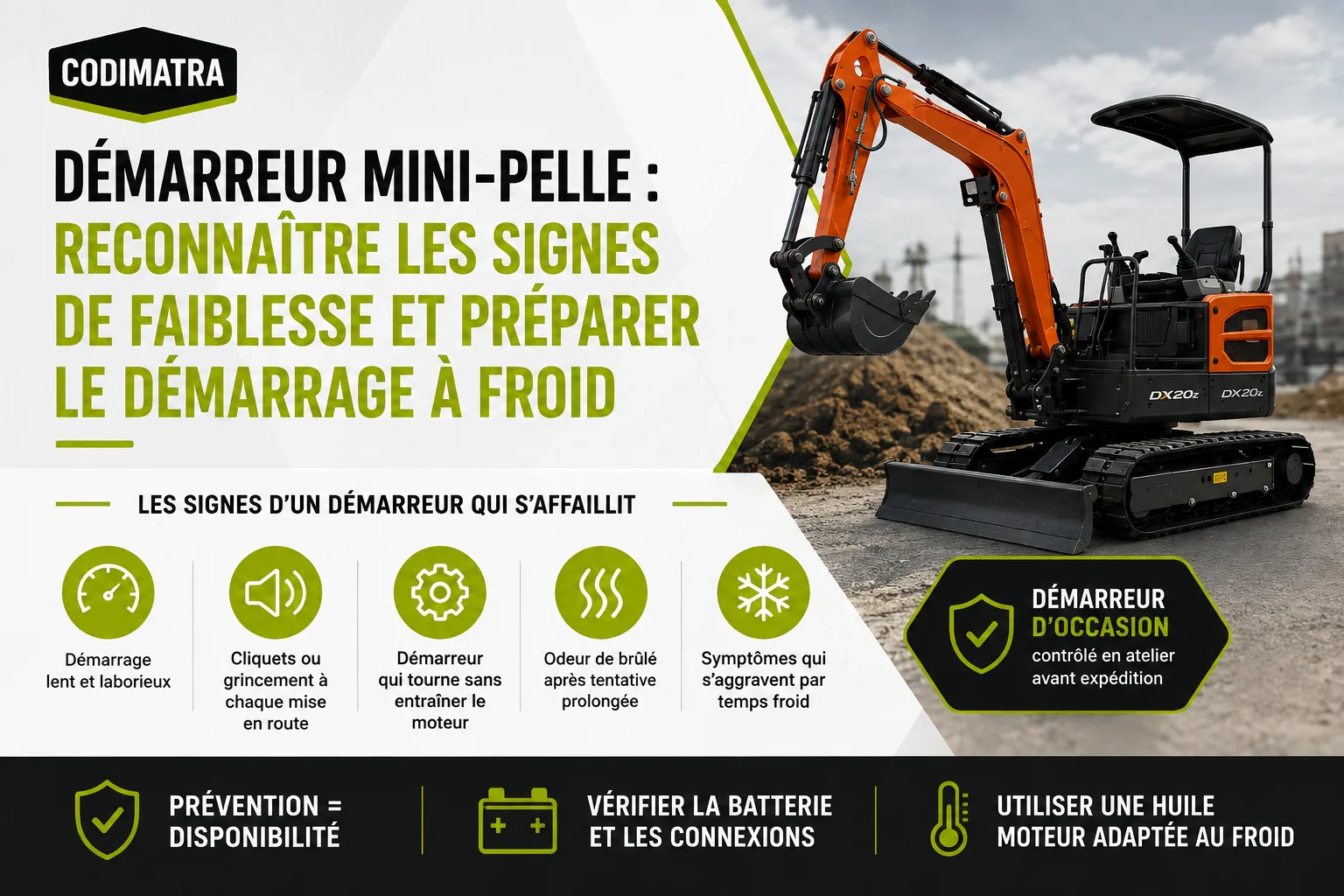
A failing starter gives clear signs well before it stops working completely:
- Slow and labored starting; the engine struggles to reach initial RPM,
- Clicking or grinding noises at startup (Bendix engaging poorly),
- Starter spins without turning the engine (worn or stuck Bendix),
- Burning smell after prolonged start attempts,
- Symptoms worsen as outdoor temperatures drop.
These issues intensify in cold weather because thickened oil increases resistance, and the battery’s reduced low-temperature performance can no longer offset losses.
What Can Damage a Starter?
The main causes of premature starter failure in mini excavators are well known:
- Prolonged or repeated start attempts: exceeding 15 seconds of continuous cranking overheats the windings and damages the brushes.
- Moisture and corrosion: machines operating in trenches, rain, or muddy environments risk infiltrations that corrode internal contacts and the solenoid.
- Electrical overvoltage: an improperly set battery charger or a short circuit in the charging system can burn out rotor windings.
- Natural brush wear: on high-mileage machines, brushes gradually wear down until they can't maintain good electrical contact.
- Stuck Bendix: either stuck out (permanently engaged) or retracted (refusing to engage the flywheel), requiring part replacement.
Mini Excavator Starters for Kubota, Yanmar, Caterpillar, Hitachi, JCB, Komatsu, Takeuchi, Volvo
Mini excavators from one to ten tons mostly use a few well-known engine families:
- Kubota (D722, D902, V1505, V2203): among the most widespread engines in the French fleet. Large stock of used Kubota parts at Codimatra.
- Yanmar (3TNV74, 3TNV76, 4TNV88): found on brand mini excavators and many distributor machines. Available used Yanmar parts.
- Caterpillar (range 301 to 308, Perkins or Mitsubishi engines): the Caterpillar 303CRA starter is frequently requested on the used market.
- Hitachi (ZX17, ZX26, ZX35, Isuzu or Yanmar engines): often uses the same starter as Yanmar versions on related models.
- JCB (Perkins or in-house engines, range 8008 to 85Z): used JCB parts available for main ranges.
- Komatsu (3D68E, 4D98E, PC13 to PC88): used Komatsu parts covering common engines in the fleet.
- Takeuchi (TB025, TB035, TB045): Takeuchi TB025 and TB045 starters are regularly handled in workshops.
- Volvo (EC13 to EC55, Yanmar or Deutz engines): availability depends on stock; provide machine serial number to check.
- Case (range CX12 to CX80, Isuzu or Cummins engines depending on series): used Case parts at Codimatra.
How to Choose a Replacement Starter for Your Mini Excavator?
To identify the correct used part, two pieces of information are essential: the manufacturer’s reference stamped on the original starter's casing, and the machine’s model number including the year, if possible.
Key points for a successful replacement:
- Check the rated power (in kW) to ensure compatibility with the engine.
- Verify the number of teeth on the Bendix gear and the direction of rotation (clockwise or counterclockwise).
- Identify the mounting type: number of bolts and their position on the engine block.
- Compare the solenoid reference if you plan to replace only this component.
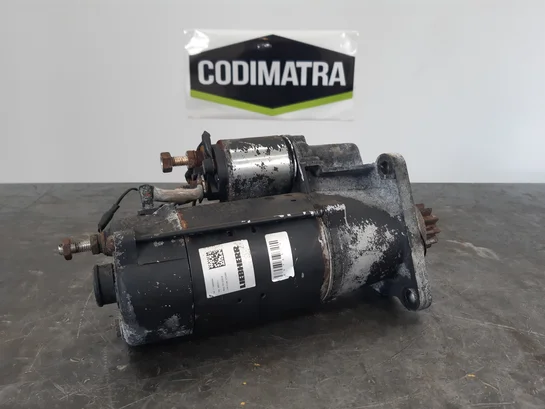
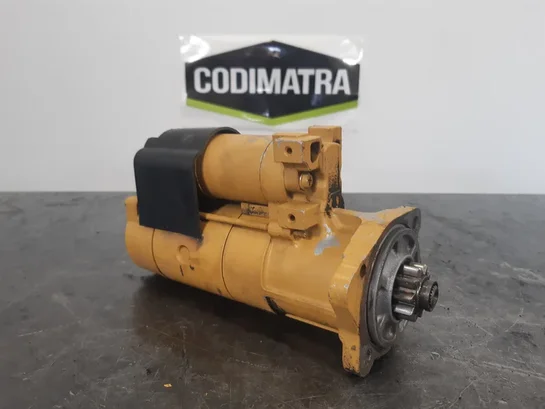
Used starters available at Codimatra are part of a comprehensive range of used engine parts sourced from carefully selected dismantlings. Our technical team is available Monday to Friday to help you identify the right replacement part for your model.
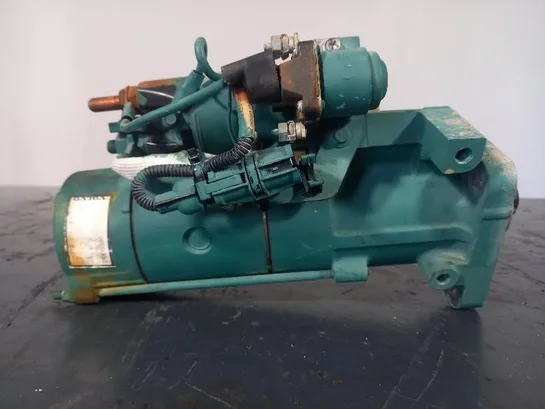
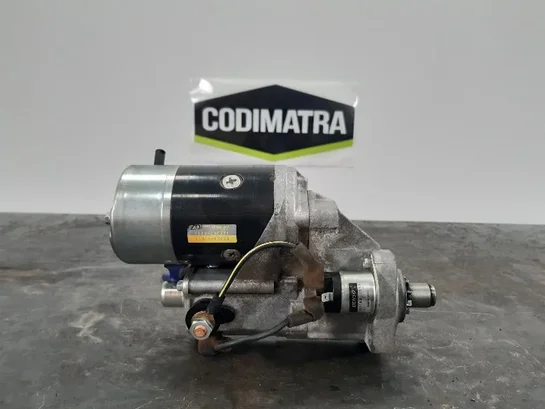
What Is the Price of a Mini Excavator Starter?
A new original starter for a mini excavator usually costs between 200 and 600 euros, depending on the brand and engine. A quality replacement starter falls within similar price ranges.
A used starter from machines inspected in our workshop is a reliable alternative for fleet managers handling multiple mini excavators aiming to control maintenance costs. For an accurate quote, contact Codimatra with the brand, model, and reference number of your current starter.
Alternator and Starter: Two Parts to Monitor Together
The starter and used alternator work in a closed loop with the battery. A faulty alternator no longer charges the battery between work cycles, leading to more and more difficult starts. Sometimes what is diagnosed as a starter failure is actually a constantly undercharged battery due to a malfunctioning alternator.
Consider having both parts tested at the same time if you experience recurring starting issues.
A no-start may be caused by the battery (dead or sulfated), a blown fuse, an oxidized connection, a safety switch not engaged (seat, joystick), or the starter itself. Begin by measuring the battery voltage cold and after attempting to start. If the battery is healthy and you hear only clicking or nothing at all, the starter or its solenoid is responsible.
The main causes are repeated or prolonged start attempts (over 15 seconds), which overheat the windings; moisture and corrosion of internal contacts; electrical surges in the circuit; and normal brush wear on high-mileage machines. Muddy conditions and low temperatures accelerate this wear on mini excavators.
The price of a new original starter ranges from 200 to 600 euros depending on the brand and engine. A used starter inspected in the workshop significantly reduces this cost. For a precise quote, provide Codimatra with your machine’s brand, model, and original starter reference.
The procedure varies little between brands: ignition switch on, check glow plug indicator (notably on Kubota and Yanmar), wait for it to go out before starting. Some JCB and Komatsu models include automatic preheating. Refer to your operator's manual for recommended duration based on outside temperature.
Starting by short-circuiting the solenoid is technically possible but should be reserved for qualified technicians and only used as an emergency fix on-site. This bypasses usual electrical protections and may damage other components. If the key or ignition switch is lost or faulty, a permanent solution is to replace the defective part.